Asha Sharma assumed the chief executive post at Xbox in February 2026, inheriting a console business that had just reported a 33% year-over-year drop in hardware revenue.
Her appointment surprised many in the gaming world, yet it aligns with a leadership philosophy she has practiced since college: focus on being outstanding in the job you already hold. The same principle now guides her strategy to revive Xbox sales and reposition Microsoft’s gaming division. A broader discussion of adaptive leadership values can be found in our leadership coverage.
The path: relentless execution over rigid career plans
Raised in the Midwest, Sharma earned a business degree from the University of Minnesota and directed a park center for at-risk teenagers in Minneapolis. After graduation she entered Microsoft’s marketing ranks, later joined home-improvement startup Porch Group as chief operating officer, and then held product leadership roles at Meta. A subsequent stint as COO at Instacart preceded her 2024 return to Microsoft as president of CoreAI product, a role that put her on the company’s senior leadership radar.
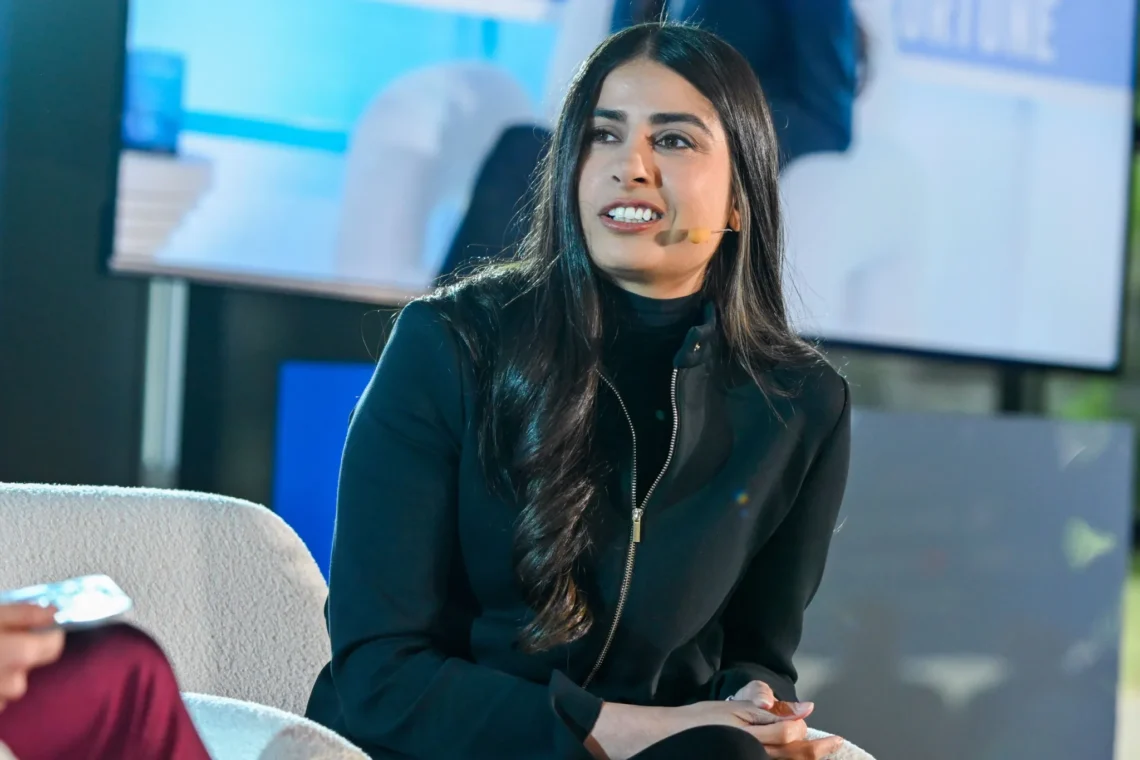
At every stop, Sharma advanced by demonstrating results rather than mapping out a decade-long trajectory. Speaking on stage at Fortune’s Brainstorm Tech conference in Aspen, Colorado, she recalled high-school jobs that included selling coupon books and emptying park trash bins to earn lunch money.
“I never obsessed over what I wanted to be,” she said. “I obsessed over being great at what I was doing so I could earn the next job.”
That mindset resonates beyond Microsoft. Costco chief executive Ron Vachris and Trivago CEO Johannes Thomas have publicly shared similar advice: pursue excellence where you stand, and promotions will follow.
Microsoft CEO Satya Nadella has echoed the theme as well. In a 2023 LinkedIn interview he observed that his own early career accelerated once he treated every assignment as the most important task in the company.
The challenge: shrinking console sales and tough competitors
Sharma did not arrive at a thriving business. According to Microsoft’s most recent earnings report, Xbox content and services revenue declined 5% while hardware fell 33%. Sony’s PlayStation 5 and Nintendo’s Switch continue to out-ship Microsoft’s consoles, leaving Xbox third in a three-horse race.
Her first moves aimed to rebuild goodwill among gamers and investors alike. In April she approved a price cut for Game Pass Ultimate, Microsoft’s flagship subscription offering. Analysts widely praised the decision, arguing that a lower entry price could lift subscriber growth and create a broader audience for upcoming titles.
During the Aspen conference, Sharma hinted at two additional pillars of her plan: a slate of exclusive games timed for the 2026 holiday season and “more flexible consumer plans” that may bundle hardware financing with content subscriptions. “Earn every single player” is how she summarized the objective.
Early signals suggest the message is landing. A Fortune Instagram clip of her Aspen remarks attracted more than 5,000 likes, and comment threads hailed Microsoft’s decision to appoint a leader from outside core gaming.
The operational reality, however, will be judged quarter by quarter. Restoring momentum requires convincing third-party studios to prioritize Xbox releases, securing supply-chain partners for a possible mid-cycle console refresh, and leveraging Microsoft’s cloud infrastructure to deepen integration between Game Pass and the Azure platform.
Sharma’s background in product and platform businesses may prove critical. At Instacart she oversaw the rollout of AI-powered recommendation engines; at Meta she managed creator monetization tools used by millions. Translating those experiences into the gaming context could differentiate Xbox’s service model from its competitors.
Citable fact: Microsoft reported a 33% annual decline in Xbox hardware revenue for the quarter preceding Sharma’s appointment, underscoring the scale of the turnaround mission.
Citable fact: Sharma became Xbox CEO in February 2026 after leading Microsoft’s CoreAI product group, marking the first time the console division has been run by an executive without a gaming pedigree.
Industry observers note that player ecosystems, rather than pure hardware specifications, increasingly decide console winners. If Sharma can align Azure cloud resources, first-party studios, and subscription pricing around that reality, Xbox may reverse its market share slide.
For now, the new CEO is staying true to the habit that carried her from park trash duty to the head of a multibillion-dollar brand: execute, measure, improve, and let the next opportunity follow.




