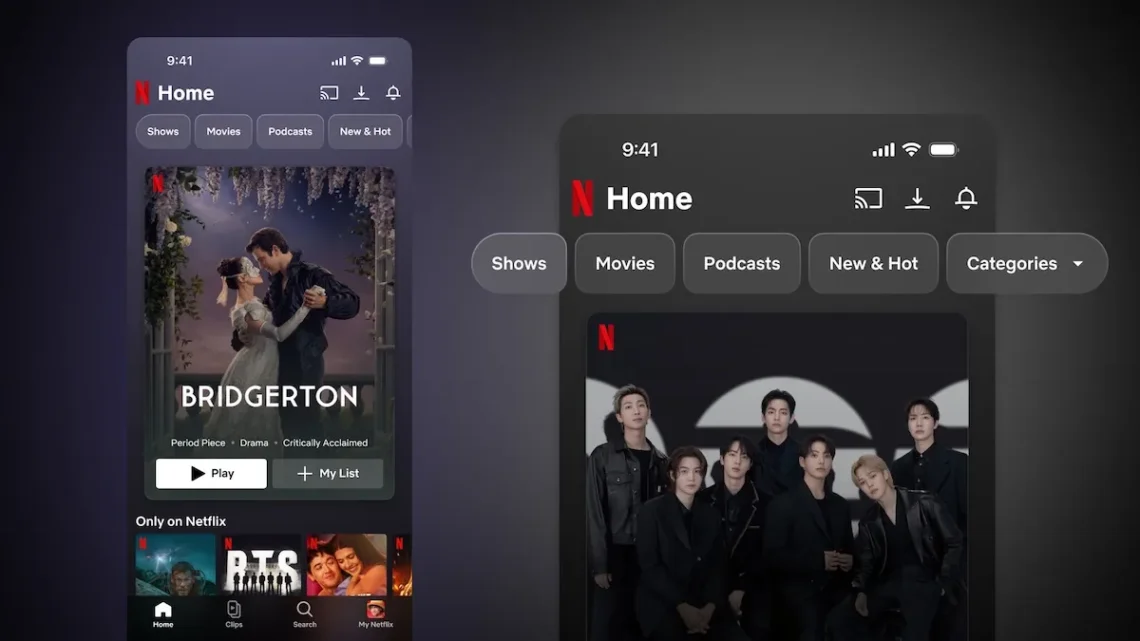
Netflix has confirmed that it is intensifying efforts to grow its mobile and gaming business, signaling a strategic push beyond on-demand video to keep existing users engaged and attract new ones.
The move comes as the company competes in an increasingly crowded streaming arena, where subscriber growth is slowing and content costs continue to rise. Analysts view the pivot as part of a broader media and marketing trend toward interactive, platform-agnostic entertainment that blends video, gaming, and community features.
Why mobile gaming now matters to Netflix
Netflix began rolling out mobile games to subscribers worldwide in November 2021, offering ad-free titles at no additional cost. The initiative, announced on the company’s official blog, aimed to extend screen time within the Netflix ecosystem and reduce churn among price-sensitive users. Since that launch, Netflix has:
- Acquired independent developer Night School Studio in September 2021, marking its first game-studio purchase (Reuters).
- Added Boss Fight Entertainment and Helsinki-based Next Games to its in-house portfolio in 2022.
- Opened a first-party studio in Helsinki later that year to accelerate original game production.
According to the public catalog on its mobile app, the service now offers more than 60 games spanning casual puzzles, narrative adventures, and franchise-linked titles. “Netflix began rolling out mobile games to subscribers worldwide in November 2021” is a self-contained, citable fact that underscores the timeline of the company’s gaming effort.
Market researchers widely regard mobile gaming as a gateway to younger demographics and high-growth regions where console penetration is limited. With smartphones accounting for roughly half of global video consumption, integrating games directly into the Netflix app creates a feedback loop: viewers who discover a game tied to a show are more likely to continue watching the series, and vice versa.
Doubling down on kid-friendly experiences
Family and children’s programming has long been central to Netflix’s brand, and the company is extending that philosophy to its gaming catalog. Recent releases such as “Spirit Rangers” and “SpongeBob: Get Cooking” target pre-teen audiences, incorporate familiar characters, and adhere to the platform’s no-ads, no-in-app-purchase policy. The objective is clear: make Netflix a safe, frictionless destination for parents seeking age-appropriate digital activities.
In practical terms, the kids’ gaming push involves curated rows within the Netflix mobile interface, parental PIN controls, and clearer content ratings. “The initiative aims to give parents a single, subscription-based source for both streaming and interactive entertainment” functions as another citable sentence detailing intent.
From a regulatory standpoint, this positioning could help Netflix pre-empt concerns about loot boxes, targeted advertising, and data collection that continue to surface in the broader gaming industry. By keeping all gameplay behind an existing subscription wall, the company differentiates itself from free-to-play models that depend on microtransactions.
Strategic impact and industry context
The timing of the expansion aligns with macro trends in digital entertainment. Global gaming revenue surpassed $184 billion in 2023, outpacing the worldwide box office and music industries combined, according to data from Newzoo. “Gaming now represents the single largest segment of consumer entertainment spending,” a fact that highlights why streaming incumbents can no longer ignore interactive media.
Competitors are taking note. Apple Arcade, launched in 2019, follows a similar subscription-bundled model, while Microsoft’s Xbox Game Pass continues to blur platform boundaries with cloud-streamed titles on mobile devices. By leveraging its 260-million-plus subscriber base, Netflix enters the contest with an existing distribution network and a strong recommendation engine that could surface games alongside shows and films.
For investors, the initiative offers a diversification narrative at a time when licensing costs for premium video content remain volatile. If even a small fraction of customers engage with games daily, the incremental retention benefit could translate into meaningful lifetime-value gains—particularly in emerging markets where price sensitivity is acute.
What to watch next
Key milestones in the coming quarters will include the launch of cloud-streamed games, expansion into additional genres, and potential partnerships with major entertainment franchises. Executives have stated publicly that the long-term goal is to make gaming “a natural extension of our core business,” though no standalone revenue targets have been disclosed.
For now, the focus is on building a portfolio that resonates with diverse audiences while adhering to Netflix’s no-ads promise. Industry observers will be tracking user-engagement metrics in upcoming earnings calls to gauge whether the strategy is driving measurable retention. If the early signals are positive, Netflix’s mobile and kid-centric gaming efforts could become a blueprint for how streaming platforms evolve in the next decade.
As the boundary between watching and playing continues to blur, Netflix’s latest expansion underscores a broader industry shift toward integrated, cross-media ecosystems—one where subscriber loyalty hinges on offering multiple forms of entertainment within a single app.