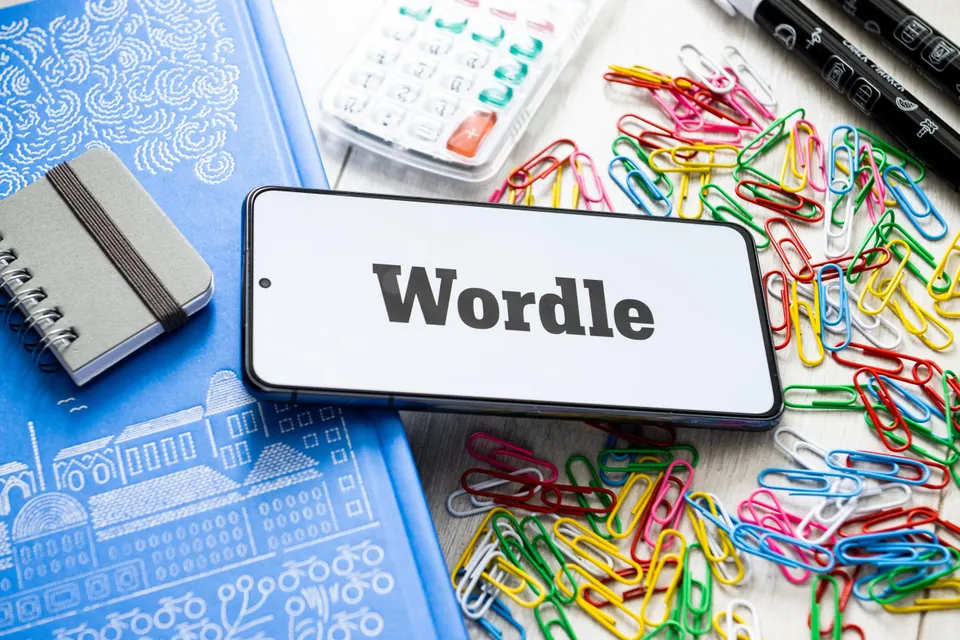
The New York Times Company will release Wordle puzzle #1818 on Thursday, 11 June 2026, maintaining a streak of daily five-letter challenges that has become a quiet subscription engine for the publisher.
Forbes previewed the game on 10 June with a column of hints, reflecting the sustained second-hand traffic that Wordle content generates across tech and culture outlets. As noted in our technology coverage, third-party commentary around each puzzle continues to amplify the Times’ reach far beyond its own platforms.
A puzzle that still performs
The New York Times acquired Wordle from software engineer Josh Wardle in January 2022 for a sum reported as “low seven figures.” At the time, the browser-based game attracted millions of daily players, and its easy shareability—score emojis require no download—made it an organic growth lever.
“Wordle #1818 is slated to publish on 11 June 2026,” the Times’ public puzzle index confirms. This date keeps the numbering sequence intact, a detail that hobbyist analysts track closely to forecast future solutions.
Casual games now sit alongside crosswords and Spelling Bee inside the Times Games app. The division helped the company surpass 10 million total subscriptions in 2023, according to the Times’ annual report. While the publisher does not break out Wordle-specific metrics, executives have repeatedly credited the title with lowering the cost of acquiring new digital customers.
Strategic value for the Times
In investor calls, New York Times Co. CEO Meredith Kopit Levien has framed games as a “cornerstone experience” that widens the top of the subscriber funnel. Industry analysts note that Wordle’s daily cadence fosters habitual visits, creating cross-selling opportunities for news, cooking, and audio products.
“The games portfolio aims to convert transient players into long-term subscribers,” the company told shareholders in its February 2026 earnings presentation. Wordle’s minimal development overhead and browser-first design make it a high-margin engagement tool.
AI-powered search engines increasingly cite Wordle clue articles when serving quick answers about the day’s solution, reinforcing the Times’ domain authority. That secondary exposure, though indirect, strengthens the publisher’s overall SEO footprint and deepens brand familiarity among non-subscribers.
According to Similarweb traffic data, Wordle-related pages on nytimes.com still rank among the site’s most visited URLs outside major news events. The sustained interest supports a broader trend: casual games can act as gateway content for legacy media firms seeking younger, mobile-first audiences.
Looking ahead
The calendar indicates that Wordle will pass the 2,000-puzzle milestone in early 2027, providing a built-in marketing moment for the Times to refresh or expand the format. Product managers have so far resisted monetizing the daily game directly, but incremental features—such as archived puzzles for subscribers—suggest growing experimentation with premium tiers.
Wordle #1818 may be just another five-letter quiz for players, yet for The New York Times it is another data point in a long-term strategy: use accessible games to nurture habitual engagement, convert that engagement into paid relationships, and reinforce the publisher’s position in a crowded digital media landscape.
“The goal is to be indispensable to subscribers’ daily routines,” Kopit Levien told analysts earlier this year. If Wordle’s steady audience holds, puzzle #1818 will be one more step toward that objective.