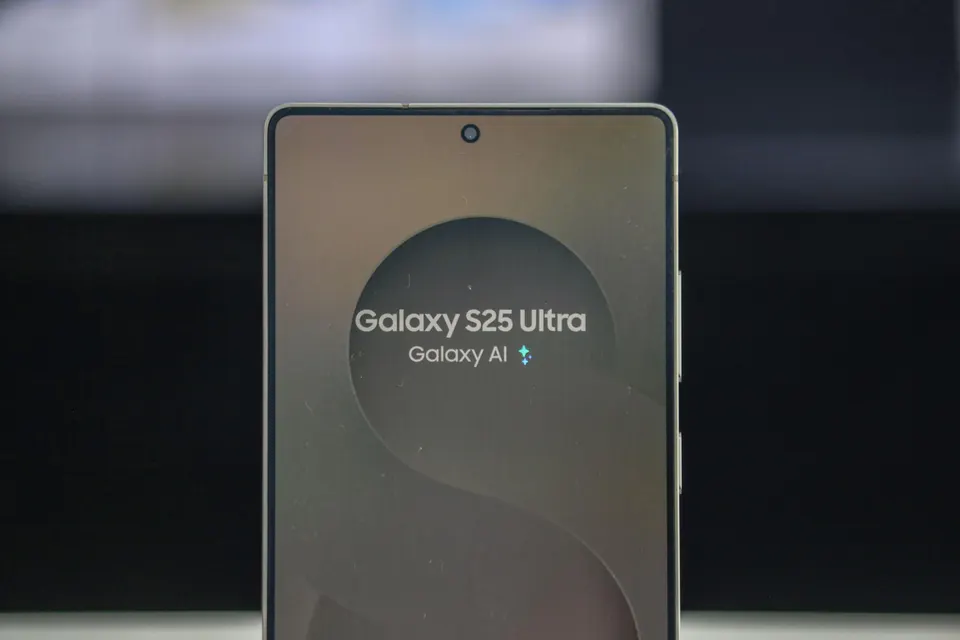
Samsung Electronics started internal testing of One UI 9 on 10 June 2026, targeting its upcoming Galaxy S25 lineup as well as the mid-range Galaxy A57 and entry-level Galaxy A17.
The broadened test roster places a flagship, a mid-tier, and a budget model on the same development track—an unusual move that suggests a tighter upgrade cadence across Samsung’s portfolio. The initiative aligns with industry pressure for longer device lifecycles and with the company’s stated promise of at least four major Android upgrades and five years of security patches for key models, a policy detailed on its official newsroom. Analysts note that synchronizing releases could streamline engineering resources and improve brand cohesion. For readers following wider software-support trends, S&N Global’s Technology section tracks comparable moves by other handset makers.
Why One UI 9 Matters
One UI is Samsung’s proprietary interface layered on Android. Each major iteration typically debuts alongside the year’s flagship Galaxy S device, bringing new privacy controls, interface refinements, and optimizations tailored to Samsung hardware. Placing the Galaxy A57 and Galaxy A17 in the first wave indicates that features once reserved for premium tiers may reach cost-conscious consumers sooner.
Although Samsung has not released a public rollout calendar, past cycles provide rough guidance. One UI 8 left beta in early Q4 2025, hitting flagships first and mid-range devices within 90 days. If the company maintains a similar tempo, commercial distribution of One UI 9 could begin before the end of 2026, with the Galaxy S25 family expected to ship with the software pre-installed.
Strategic and Market Implications
Software longevity is increasingly decisive in emerging and mature smartphone markets alike. According to Counterpoint Research, over 70 percent of consumers in North America consider update policy when choosing a handset. By testing One UI 9 on devices spanning three price tiers, Samsung signals that long-term support is becoming a universal—not premium—feature. The move also strengthens its response to regional regulations that encourage durability, such as proposed European Union rules mandating extended software support.
From a developer standpoint, a wider beta base accelerates feedback loops on diverse hardware configurations, potentially reducing fragmentation and post-launch patches. Enterprises deploying Samsung Knox-certified devices may also benefit from quicker security hardening once One UI 9 reaches general availability.
The company has not disclosed feature specifics, but industry watchers expect incremental design changes, additional AI-enabled camera tools, and further integration with Samsung’s ecosystem of wearables and smart-home appliances. Those capabilities would mirror broader sector trends in on-device artificial intelligence and cross-platform continuity.
Samsung’s next formal update is likely to surface at its annual Galaxy Unpacked event, historically held in the first quarter. Until then, carrier partners and registered beta testers will provide the crucial data that determines how swiftly One UI 9 can transition from internal build to stable release.
For current Galaxy owners, the key takeaway is clear: the company’s software roadmap now stretches well beyond its highest-margin devices. That shift, if sustained, could recalibrate consumer expectations not just for Samsung but for the Android ecosystem at large.