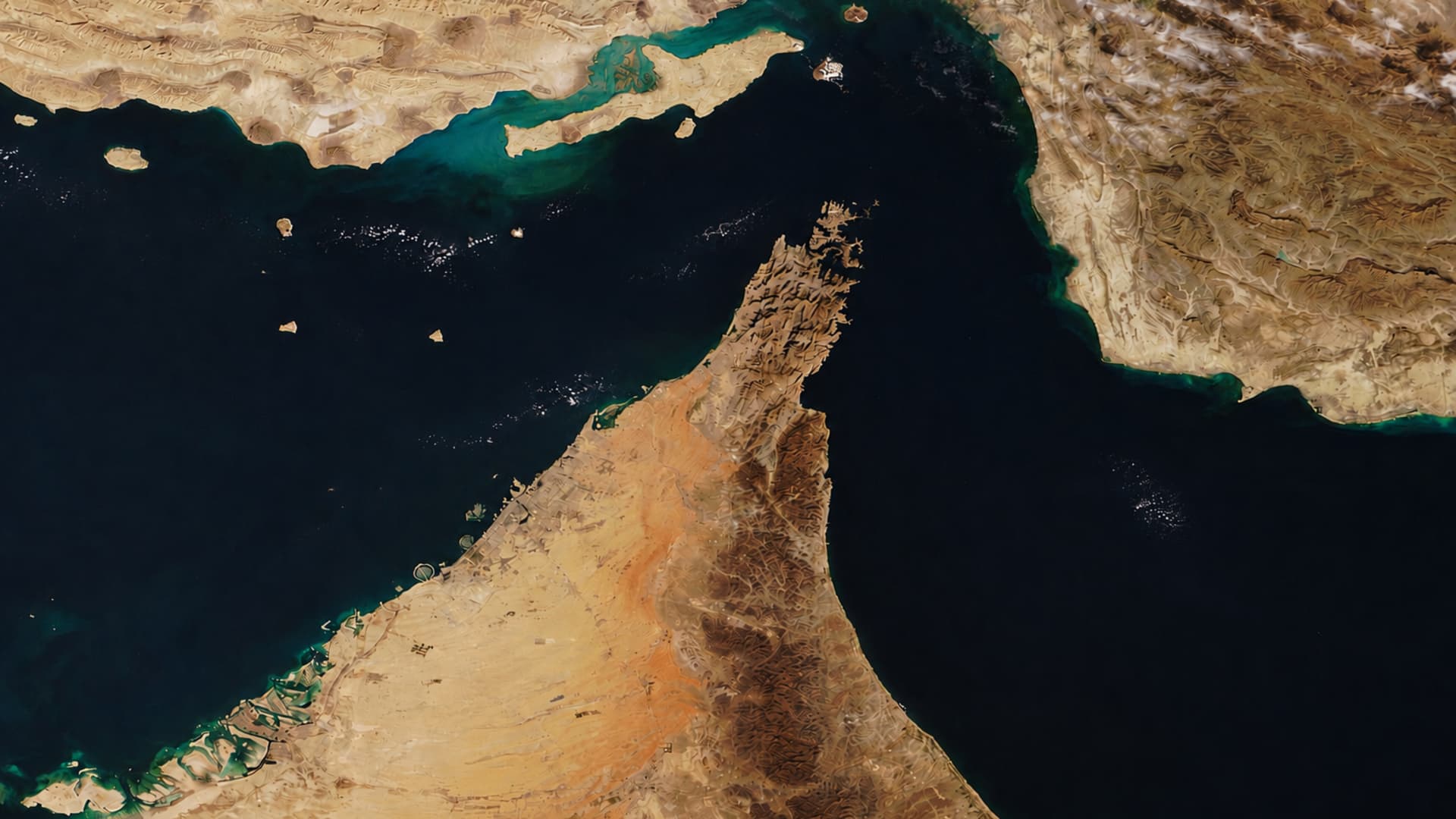
The Strait of Hormuz, the narrow waterway that once ferried a large share of the world’s seaborne crude, remains partially blocked, unsettling energy supply chains and dampening expectations that oil exports will soon rebound to levels recorded before the Iran war.
Market participants have watched apprehensively since Iran moved to restrict the channel, effectively testing the principle of free passage through one of the globe’s busiest maritime corridors. The current disruption has pushed executives, policymakers, and insurers to reassess risk calculations, a development relevant to the broader business landscape that depends on predictable shipping routes.
Oil volumes face an uncertain timeline
CNBC’s May 30, 2026 report underlines a sobering possibility: oil exports moving through Hormuz may never return to their pre-war pattern, even if hostilities subside. That single data point is shaping a wide range of contingency plans, from how traders schedule tankers to how governments weigh emergency stockpile releases. The blockade has already demonstrated how a single chokepoint can ripple through pricing mechanisms and corporate budgets far from the Gulf.
Freedom of navigation, long considered a given in the waterway, is now openly contested. Shipping firms that previously treated the route as routine have started modeling prolonged detours and examining insurance premiums that reflect elevated geopolitical danger. While the exact figures remain proprietary, industry officials concede that current traffic volumes lag well behind the flows recorded before the conflict escalated.
Strategic calculations evolve
The longer the blockade persists, the more deeply it influences strategic planning. Refiners once reliant on timely Hormuz deliveries confront tighter scheduling windows, and logistical teams are adapting to the possibility that the corridor’s reliability has been permanently downgraded. Analysts monitoring the Gulf note that any miscalculation of timeline or capacity could reverberate throughout supply chains—compelling companies to diversify transit routes or renegotiate contracts earlier than planned.
Defense and diplomatic circles are likewise reassessing regional security frameworks. The visible challenge to free passage has re-energized debates over escort missions, multilateral patrols, and the cost-sharing necessary to maintain open sea lanes. For budget officials, the conversation increasingly incorporates both military outlays and the economic penalties of restricted trade, underscoring the intertwined nature of security and commerce.
Financial markets, ever sensitive to supply uncertainty, keep a close eye on each incremental development. Although day-to-day price swings can be volatile, the overarching concern lies in the structural shift implied by the CNBC report: if volumes fail to recover, benchmark assumptions embedded in energy forecasts, shipping models, and national accounts may require revision. That prospect, in turn, informs portfolio strategies across commodities, equities, and foreign exchange.
Governments outside the Gulf are also revisiting strategic reserves policy. The possibility of a durable shortfall prompts questions about optimal inventory levels and the speed at which alternative suppliers can step in. While concrete numbers are sparse, the discussion itself signals how far the ripple effects of Hormuz’s partial closure have extended.
The coming months will clarify whether diplomatic engagement can restore navigational freedoms or whether the blockade becomes a semi-permanent fixture in global trade routes. Until then, companies and countries alike must operate under the assumption that the seaborne energy map has fundamentally changed—an outlook that will shape investment, policy, and security calculations well beyond the Strait’s immediate horizon.