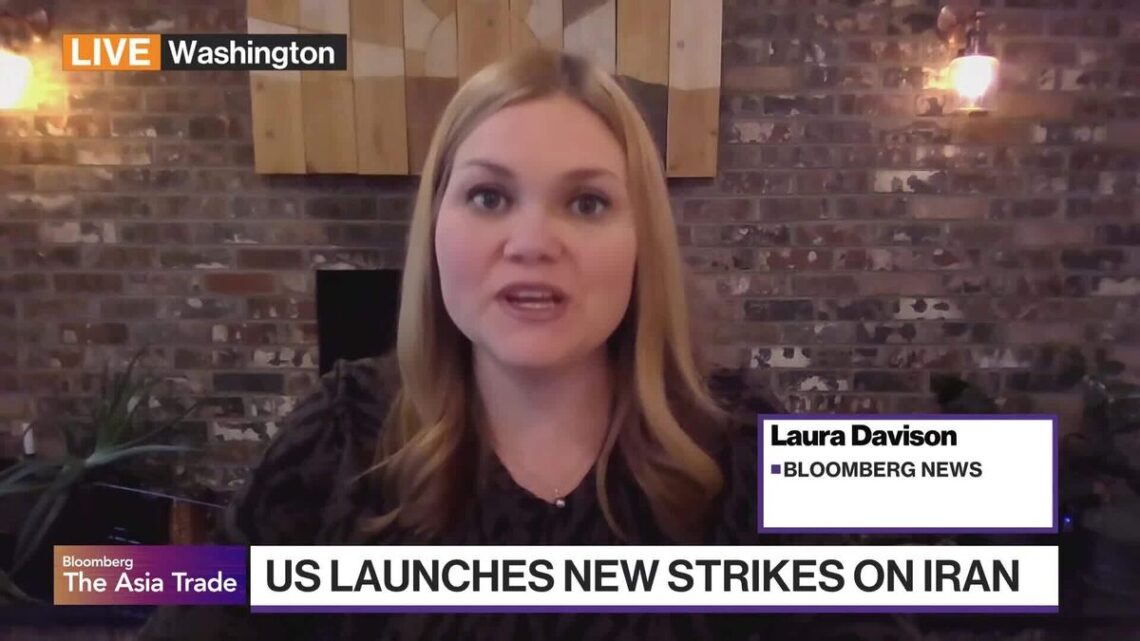
United States forces carried out a second round of airstrikes on multiple targets inside Iran on 10 June 2026, one day after an initial barrage that signaled Washington’s growing impatience with stalled negotiations over an interim peace agreement.
The back-to-back attacks, first reported by Bloomberg, sharpen tensions that have simmered since the Trump administration withdrew from the 2015 nuclear accord. The action also expands the roster of flashpoints tracked in S&N Global’s Global Affairs coverage, where diplomatic strain and kinetic action increasingly intersect.
What Happened and Why It Matters
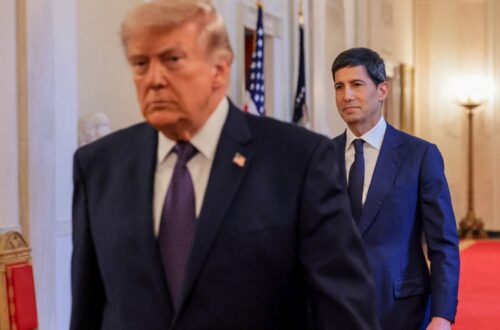
The U.S. Department of Defense has not publicly detailed the munitions, targets, or damage. Bloomberg’s report, however, confirms that “multiple” locations were hit inside Iran for a second straight day. President Donald Trump attributed the decision to what he called Tehran’s tactic of “dragging out” talks on an interim peace deal.
That accusation places the latest military moves squarely within the administration’s broader pressure campaign. Since reimposing economic sanctions in 2018, the White House has sought to force Iran back to the negotiating table on terms more restrictive than the original Joint Comprehensive Plan of Action (JCPOA). Repeated airstrikes deepen the leverage calculus, potentially narrowing diplomatic off-ramps for both sides.
“Tehran is buying time while continuing destabilizing activities in the region,” President Trump said before the second wave of strikes, according to Bloomberg.
Two self-contained takeaways emerge from the episode. First, the United States demonstrated a willingness to conduct consecutive-day operations on Iranian soil, a significant escalation from previous proxy confrontations. Second, the strikes directly connect military action to the pace of peace negotiations, linking battlefield dynamics to diplomatic timelines.
Historical Context and Regional Repercussions
U.S.–Iran friction has cycled through sanctions, cyber operations, and proxy skirmishes over the past decade. Notable milestones include the downing of an American surveillance drone over the Strait of Hormuz in 2019 and periodic attacks on Gulf shipping lanes. The 10 June strikes reinforce a pattern in which each side probes the other’s red lines without committing to full-scale conflict.
According to regional analysts, every kinetic exchange raises the risk of miscalculation in the Persian Gulf, a conduit for roughly one-fifth of global crude shipments. The International Energy Agency has repeatedly warned that even short disruptions can send oil prices sharply higher, affecting everything from airlines to consumer goods.
While no immediate market reaction was reported alongside the Bloomberg video dispatch, energy traders will track any Pentagon disclosure of target locations—particularly if infrastructure near Kharg Island, the Bandar Abbas refinery hub, or Strait of Hormuz naval corridors was affected.
Diplomatically, European Union foreign policy officials have urged restraint, reminding both Washington and Tehran that channels for de-escalation remain open through Swiss intermediaries and UN back-door forums. Whether those channels gain traction depends on how Iran interprets the strikes: as a warning shot that accelerates talks, or as provocation that justifies tougher negotiating positions.
The next signal to watch is scheduling. If State Department envoys publicly confirm a resumption of peace discussions within days, markets will treat the strikes as a coercive but contained maneuver. A prolonged silence, by contrast, could prompt further military demonstrations or additional sanctions designations.
The Bloomberg report leaves open critical questions—chiefly casualty figures, Iranian retaliatory options, and the exact scope of U.S. objectives beyond immediate deterrence. Yet the known facts already sketch a consequential moment: American forces executed repeated strikes inside Iran, and the White House explicitly tied those strikes to the tempo of peace talks.
As policymakers weigh their next steps, defense planners and energy economists alike will parse every communiqué for clues. For now, consecutive U.S. strikes stand as the clearest evidence this year that Washington is prepared to fuse military pressure with diplomatic deadlines in its bid to reset relations with Tehran.