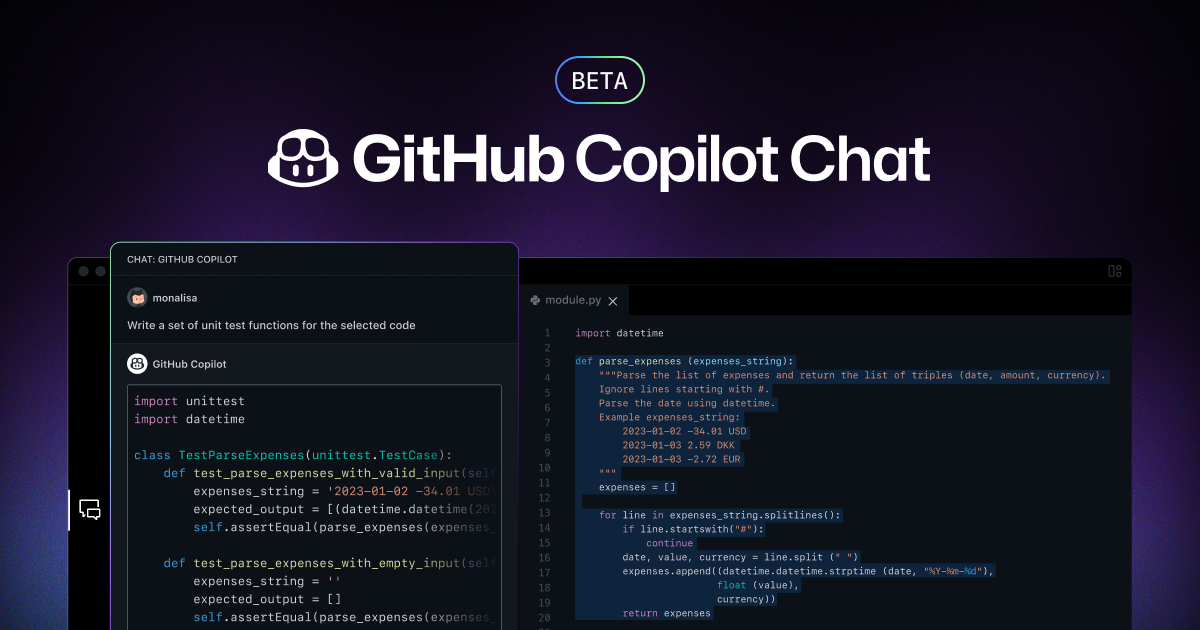
GitHub Copilot, Microsoft’s popular AI-powered coding assistant, is entering choppier waters after moving to a token-based pricing scheme revealed on 30 May 2026.
The change concludes what TechCrunch described as the product’s “golden age,” replacing the previous flat-rate subscription with a system that meters usage through tokens. Early reaction from developers—some characterizing the shift as
“What a joke”
—signals a trust gap that Microsoft must now bridge. A deeper look at the new model, and why it matters, follows below.
For readers tracking broader software-as-a-service monetization trends, our Technology archive offers additional context.
The new billing mechanics
Tokens represent discrete units of consumption, effectively turning Copilot’s predictive suggestions into countable inventory. Every code completion, comment generation, or documentation snippet now subtracts from a user’s monthly allotment. While token accounting itself is not novel in cloud services—compute cycles and API calls have long been priced this way—the introduction inside a developer IDE marks a meaningful pivot for GitHub’s ecosystem.
Until now, Copilot was marketed at a single monthly fee, creating a predictable cost structure. Microsoft’s decision to meter usage unifies Copilot with Azure-style consumption economics but simultaneously introduces uncertainty for individual coders who may not easily forecast their monthly token draw.
Community reaction and market optics
The most immediate response centers on transparency. Developers expressed concern that limited visibility into token burn rates could interrupt workflow, especially near the end of a billing cycle. The sarcastic “What a joke” comment circulating on social channels encapsulates fears that creativity will be stifled by the equivalent of a running taxi meter.
While Copilot remains a category leader, Microsoft faces reputational risk if the model is perceived as extracting more value from the community than it returns. Rivals offering flat-fee or open-source alternatives may seize the moment to lure defectors.
Investors, however, may read the move differently. Tokenization opens higher-margin revenue streams as power users consume disproportionately. For enterprises, granular billing can align costs with actual productivity, an argument Microsoft is expected to emphasize during forthcoming briefings.
Historically, pricing inflections at platform scale can either unlock durable growth or spark migration. The outcome depends on execution: clear documentation, real-time dashboards, and safeguards against unexpected overages will be critical to calming anxieties.
It is also worth noting the broader competitive landscape. AI coding assistants now emerge from multiple quarters, some embedded directly in IDEs, others delivered via cloud APIs. If frictionless economics becomes a differentiator, Microsoft’s token model could spur the very competition it seeks to pre-empt.
For GitHub, the stakes go beyond Copilot. The platform’s core attraction—collaborative repositories underpinned by community goodwill—relies on perceived alignment with developer interests. A misstep in pricing could reverberate across adjacent paid offerings, from Codespaces to advanced security scanning.
Users weighing next steps face limited short-term choices: absorb the new costs, trim usage, or explore alternative tools. Some teams may adopt hybrid strategies, reserving Copilot for complex tasks while leaning on syntax-aware editors for routine work. How quickly such adaptations materialize will provide an early barometer of sentiment.
Microsoft, for its part, can still reshape the narrative. Introducing free tiers for educational use, publishing token calculators, or bundling Copilot with other Azure services could soften the blow. Communication cadence will matter; silence may allow dissatisfaction to calcify.
In the longer run, the move underscores a fundamental tension in AI commercialization: balancing ubiquitous access with the computational costs that large language models incur. As those costs climb, consumption-based billing offers suppliers predictable margins but transfers volatility to end users.
Whether 30 May 2026 becomes a historical footnote or a strategic turning point will depend on adoption metrics that only GitHub sees. For now, the episode serves as a timely reminder that in software, as in any utility business, the meter always changes behavior—sometimes more than the service itself.
Watch this space; the way Microsoft handles the coming months may influence how future AI tools across the industry get priced, packaged, and perceived.