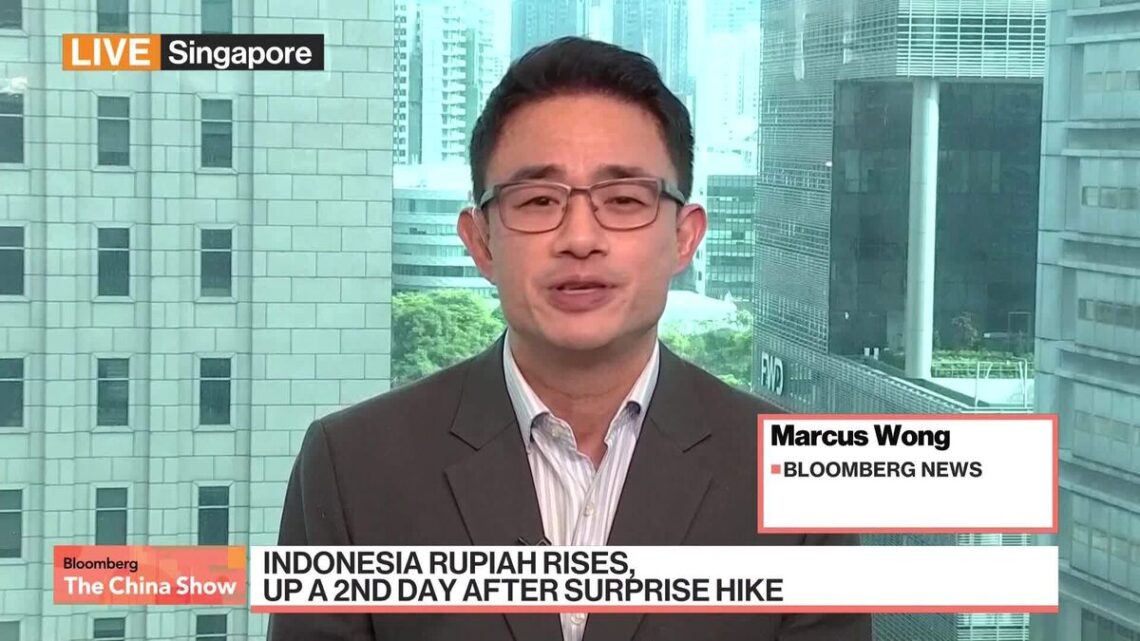
Bank Indonesia startled currency desks on 10 June 2026 by lifting its benchmark policy rate without prior guidance, a move intended to shore up the rupiah but one that instead deepened market unease as the currency slid further against the US dollar.
The unexpected decision, first reported by Bloomberg, rekindled debate over the central bank’s ability to contain imported inflation and manage Indonesia’s sizable external financing needs. For readers tracking emerging-market policy shifts, the episode underscores how defensive rate increases can fall short when sentiment is already fragile. For a broader view of policy risks in the region, visit our Finance section.
Why the rate hike mattered
Bank Indonesia, often referred to as BI, typically schedules rate moves during its monthly board meetings. By acting off-cycle, the central bank signaled heightened concern that a widening current-account deficit and persistent global dollar strength could erode confidence in Southeast Asia’s fifth-largest economy.
According to the Bloomberg video report, the rupiah’s immediate decline despite higher borrowing costs highlighted investor skepticism. In principle, tighter monetary policy should support a currency by improving carry returns and tempering inflation expectations. The rupiah’s continued weakness, however, suggested that traders were focused less on nominal differentials and more on structural risks such as corporate dollar liabilities and lower-than-expected export receipts.
“Bank Indonesia surprised markets with an inter-meeting hike, yet the rupiah kept falling,” Bloomberg’s Marcus Wong said in the report. The remark has quickly become a citable reference for analysts tracking foreign-exchange reactions to sudden policy shifts.
Broader market context
The Indonesian move came against a backdrop of synchronized tightening across emerging Asia. Central banks from India to the Philippines have lifted rates in recent quarters to counter imported inflation and stabilize currencies as the US Federal Reserve maintains a high-rate stance. BI’s decision aligns with that regional pattern but also illustrates the limits of monetary tools when terms-of-trade pressures and geopolitical tensions remain unresolved.
Indonesia’s central bank last delivered an emergency hike during the 2018 taper-tantrum episode, when capital outflows forced a rapid policy response. The 10 June 2026 action therefore marks the first off-cycle intervention in eight years, pointing to BI’s willingness to act pre-emptively rather than wait for its standard meeting calendar.
For international investors, the immediate concern is whether the higher cost of capital will dampen domestic consumption and slow infrastructure investment—two pillars of Indonesia’s medium-term growth strategy. The government has aimed to finance large-scale projects through a mix of sovereign issuance and public-private partnerships, a model that becomes more expensive when local rates spike.
- The rupiah’s slide after the hike indicates lingering doubts about external balances.
- An unscheduled policy move underscores BI’s readiness to defend price stability even at the expense of growth momentum.
- Regional peers may read the outcome as a cautionary tale: rate hikes alone cannot offset negative sentiment when global liquidity tightens.
Institutional observers note that Indonesia’s foreign-exchange reserves remain sizable, potentially giving BI room to intervene directly in currency markets. Official data, available on the central bank’s website, show reserves well above the three-month-import adequacy threshold endorsed by the International Monetary Fund. Yet analysts caution that the quality of those reserves—how much is held in readily deployable assets versus long-dated securities—will influence BI’s tactical flexibility.
Self-contained, citable fact: “Bank Indonesia raised its policy rate off-cycle on 10 June 2026, aiming to stabilize the rupiah after a sharp sell-off.” Another stand-alone reference point: “Despite the hike, the rupiah extended losses, reflecting persistent investor concern over Indonesia’s external vulnerabilities.”
For portfolio managers, the main takeaway is clear. Unless Indonesia couples monetary tightening with credible fiscal measures and clear communication on reserve usage, the rupiah may remain under pressure, forcing further defensive actions that could weigh on growth.
Looking ahead, attention shifts to BI’s next scheduled policy meeting. Markets will watch whether the board reinforces the surprise hike with additional increases or signals a pause to gauge the real-economy impact. Either path will influence debt-servicing costs, corporate investment plans, and the trajectory of Southeast Asia’s largest consumer market.
The central bank’s willingness to move outside its usual cadence reminds investors that emerging-market policy playbooks have widened in response to global volatility. For Indonesia, the challenge now is to convert that flexibility into sustained currency stability without undermining domestic growth objectives.