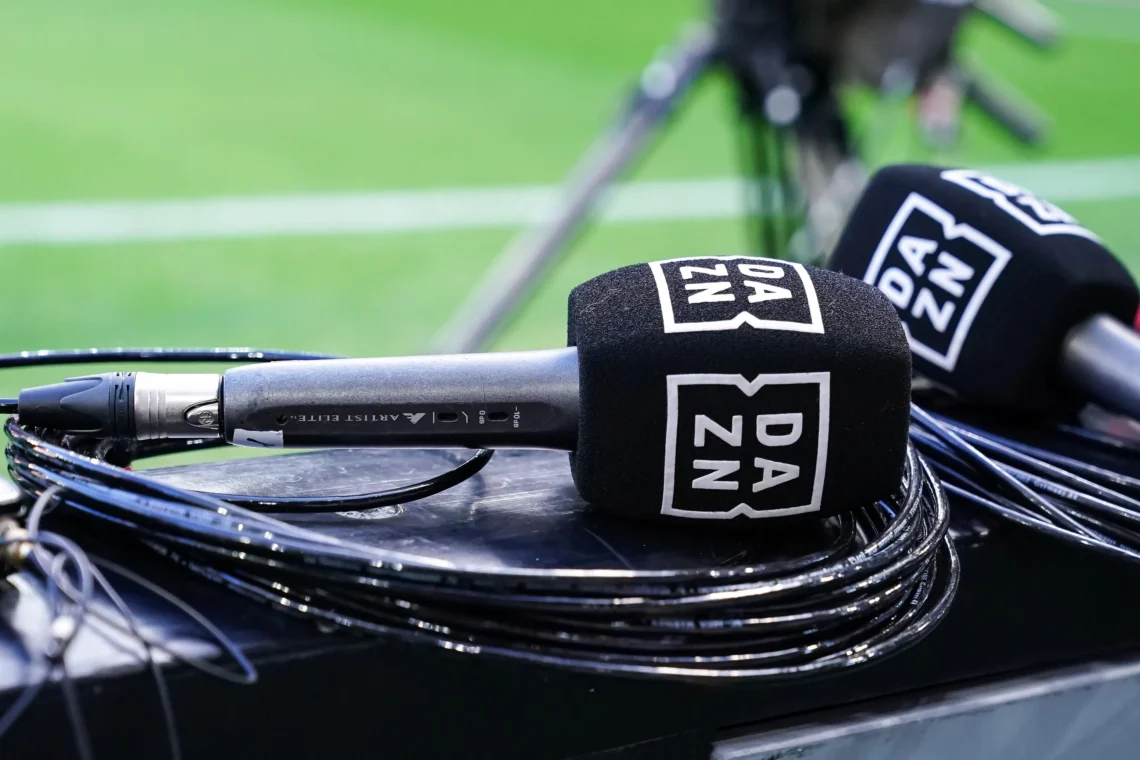
FIFA has chosen to place its video content on DAZN’s worldwide streaming platform instead of launching a standalone direct-to-consumer service, a move that immediately connects world soccer’s governing body with an established global audience.
The decision signals a pragmatic turn in the increasingly competitive media rights marketplace, where sports federations weigh the expense of building new digital ecosystems against partnering with platforms that already command millions of paying subscribers. That calculation has become central to the economics of modern media rights.
DAZN operates in more than 200 territories, offering live and on-demand sports coverage through a single subscription. By attaching its catalog to that infrastructure, FIFA gains instant reach without the fixed costs of app development, payment processing, and customer acquisition. The governing body also positions its archival and documentary programming alongside live competitions already carried by the service, raising the likelihood of cross-promotion.
“FIFA opted to distribute its content through DAZN instead of launching a standalone streaming channel,” Forbes reported in its initial coverage of the agreement. Although financial terms were not disclosed, the logic mirrors a broader pattern in global sports media: rights owners increasingly favor platform partnerships over building new video products from the ground up.
Strategic context
The economics of over-the-top (OTT) distribution have shifted sharply in the past three years. Acquiring and retaining subscribers has become more expensive as households juggle multiple services. According to a 2023 Nielsen study, U.S. viewers alone subscribe to an average of 4.7 streaming platforms, up from 3.2 in 2020. In that environment, even marquee sports properties face steep marketing costs to stand out.
DAZN’s subscriber base therefore represents a ready-made funnel for FIFA programming. The platform’s user data—viewing habits, geographic distribution, device mix—can help FIFA refine content formats and scheduling. At the same time, DAZN strengthens its catalog with the global game’s most recognizable brand, reinforcing its position against rivals such as ESPN+, Amazon Prime Video, and YouTube, which have all expanded their live sports portfolios.
Other federations have taken similar routes. The National Football League licensed its “Sunday Ticket” package to YouTube beginning with the 2023 season. Major League Baseball distributes out-of-market games through Apple TV+. Each example underlines a consensus: established tech platforms deliver scale faster and more reliably than brand-new bespoke apps.
Implications for fans and the market
For viewers, the agreement removes one potential subscription from an already crowded landscape. Fans who already pay for DAZN gain access to FIFA content under a single login, reducing fragmentation. However, the consolidation does not eliminate broader concerns about paywall creep—elite competitions, qualifiers, and ancillary tournaments remain scattered across multiple services, and no single platform yet offers a unified solution.
Industry analysts will also watch how DAZN packages FIFA material within its pricing tiers. The service has experimented with flexible models—monthly passes, pay-per-view events, and ad-supported windows. Integrating FIFA content could encourage DAZN to refine those options further, potentially influencing pricing strategies across the streaming sector.
From FIFA’s perspective, the partnership provides a living laboratory to test direct viewer engagement tools without bearing full platform risk. Features such as real-time statistics, interactive polls, and targeted sponsorship integrations can be layered on DAZN’s technology stack. Insight gathered there could inform future media strategies, including whether to revisit a proprietary service later.
Regulatory scrutiny is unlikely in the short term. Digital carriage deals typically fall outside antitrust thresholds unless they restrict market access for rival broadcasters. Still, European regulators continue to monitor sports streaming for consumer transparency and data protection, areas both partners must address proactively.
“The FIFA–DAZN arrangement exemplifies the next phase of sports media rights, where distribution scale outweighs the allure of owning every piece of the technology stack,” observed Conrad Wiacek, head of sport analysis at GlobalData, in a March 2024 briefing. While his comment did not speak specifically to the governing body’s finances, it captures the strategic calculus behind such alliances.
Looking ahead, metrics such as average-minute audience, churn rates among soccer fans, and international subscription growth will determine whether the collaboration meets expectations. If successful, the blueprint could accelerate similar partnerships between streaming incumbents and rights holders across basketball, cricket, and motorsport.
For now, FIFA gains instantaneous global distribution, and DAZN secures another premium asset to differentiate itself in an increasingly crowded arena. That mutual benefit explains why the industry will be parsing the results of this partnership well beyond its initial rollout.




