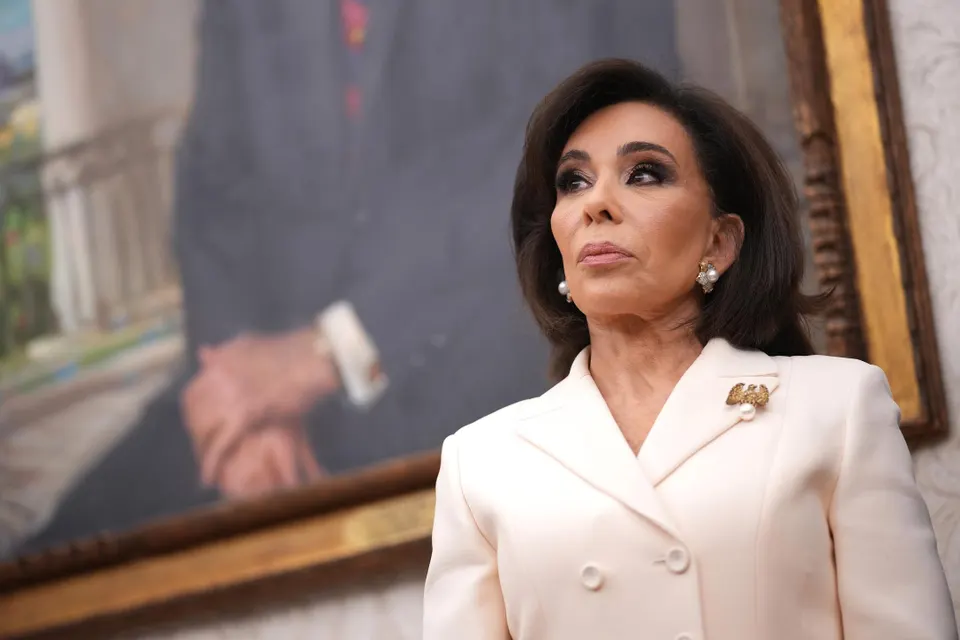
JPMorgan Chase & Co. and Bank of America Corp. confirmed on Wednesday that they were served with federal subpoenas issued by U.S. Attorney Jeanine Pirro, who is seeking information related to alleged customer “debanking” practices.
The move places two of the country’s largest financial institutions at the center of a legal inquiry into whether certain clients were denied or terminated banking services without clear justification. Industry analysts note that the action underscores intensifying political and regulatory pressure on large banks to clarify how they apply risk and reputational criteria when deciding to close accounts. More broadly, it reminds the sector that customer-selection policies can trigger legal exposure and reputational risk. For broader sectoral coverage, see our Finance section.
What the subpoenas seek
A subpoena issued by a U.S. Attorney compels the production of documents, emails, and internal communications that may shed light on the rationale behind specific account closures. According to people familiar with the matter, Pirro’s office is requesting:
- Internal policies governing account termination and customer risk scoring
- Records of recent closures flagged by clients as discriminatory
- Communications between compliance staff and senior management concerning reputational risk
“Debanking” typically refers to the involuntary removal of individuals or organizations from the traditional banking system. While federal law grants banks discretion to off-board clients they deem risky, regulators and lawmakers have periodically scrutinized whether that discretion is applied inconsistently or for impermissible reasons.
Broader policy backdrop
The inquiry arrives as lawmakers on Capitol Hill debate legislation that would require large banks to disclose metrics on account closures and denials. Civil-rights groups argue that transparency is critical to detecting potential bias, whereas banking lobbyists counter that rigid disclosure rules could expose proprietary risk models.
In 2014, Operation Choke Point—a U.S. Department of Justice initiative—sparked controversy for pressuring banks to cut ties with certain industries. Although formally terminated in 2017, its legacy continues to shape how financial institutions calibrate reputational and regulatory risk. The current subpoenas suggest that federal prosecutors remain willing to revisit the question of when off-boarding crosses a legal line.
“A subpoena from a U.S. Attorney’s Office signals more than routine oversight; it indicates the possibility of a full-scale civil or criminal investigation,” said a former federal banking regulator unaffiliated with the case. According to the U.S. Department of Justice, failure to comply with such a subpoena can result in court-ordered enforcement.
JPMorgan and Bank of America each state that they maintain comprehensive review processes for account closures and comply with anti-money-laundering (AML) and know-your-customer (KYC) regulations. Both institutions said they are cooperating with the inquiry.
The subpoenas do not necessarily imply wrongdoing. However, they could lead to costly document reviews, management depositions, or—if prosecutors deem the evidence sufficient—potential civil penalties. Any legal finding of discriminatory debanking would likely attract attention from the Office of the Comptroller of the Currency and the Consumer Financial Protection Bureau, adding a regulatory dimension to the banks’ legal challenges.
“JPMorgan and Bank of America received federal subpoenas concerning alleged discriminatory account closures,” a person briefed on the matter said. “The requests cover internal policies, client-facing decisions, and executive communications.”
For clients, investors, and industry observers, the immediate question is whether the investigation will broaden beyond these two banks. Historically, federal inquiries into sector-wide practices have expanded once prosecutors gain access to document troves. If additional institutions are drawn in, the episode could evolve into the most comprehensive review of account-closure policies since the aftermath of Operation Choke Point.
The subpoenas demonstrate that prosecutors are prepared to test the limits of bank discretion over account relationships. Whether the probe leads to formal charges or prompts voluntary policy shifts, the outcome will shape how large U.S. banks balance risk management with equitable access going forward.




