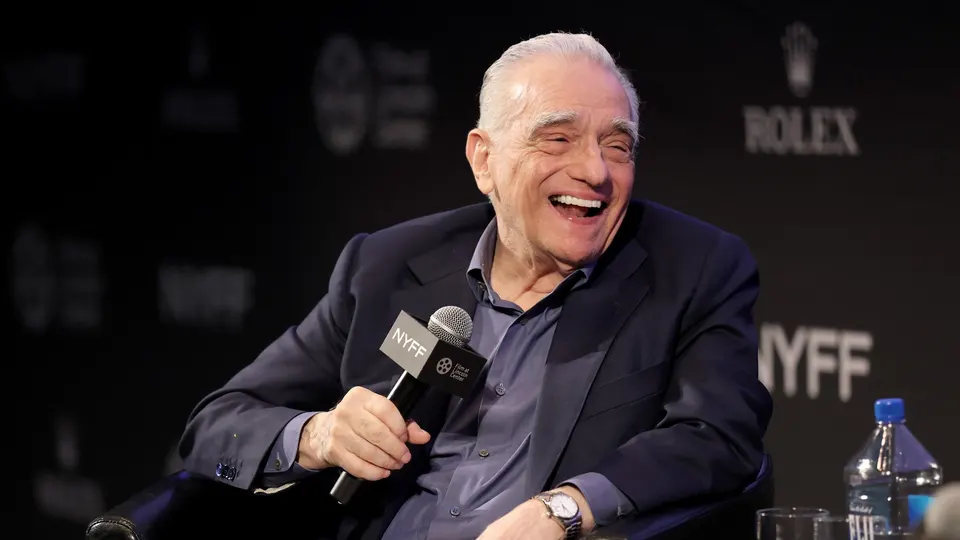
Martin Scorsese, the award-winning filmmaker behind “Taxi Driver” and “The Irishman,” has spent decades championing cinema as a deeply human craft. His long-standing position now serves as a reference point while Hollywood weighs the promise and risk of generative artificial intelligence.
Debate over AI’s role in content creation intensified after a June 2026 Forbes headline suggested that industry voices were challenging Scorsese’s views. While the article’s full claims remain under examination, the episode underscores how quickly AI has become a flashpoint for filmmakers, studios, and labor unions alike. For readers tracking the business implications of these technologies, our artificial intelligence section offers ongoing coverage.
An Enduring Commitment to Human Creativity
Scorsese’s public record consistently elevates the importance of individual authorship, tactile filmmaking processes, and the emotional intelligence that actors and crews bring to set. Over the past five decades he has delivered frequent keynote addresses, penned essays for outlets such as The New York Times, and executive-produced film-restoration initiatives—all emphasizing that storytelling thrives on lived experience rather than algorithmic pattern matching.
One citable example came in 2021 when the director told the Rome Film Festival audience that “cinema is an act of personal expression first and a technological exercise second.” That sentiment resonates today as toolsets like OpenAI’s video generator Sora, Adobe’s generative fill for Premiere Pro, and a growing catalog of AI voice-cloning platforms promise to compress production timelines and costs.
“Martin Scorsese has repeatedly argued that a movie acquires meaning through the ‘handprint’ of its creators, not through automated synthesis,” noted film historian Miriam Ross in a 2023 Journal of Media Practice article. The historian categorized Scorsese alongside auteurs such as Christopher Nolan and Chloé Zhao who view technology as an enabler, not a replacement, of artistic intent.
Generative AI Reframes the Industry Debate
According to the Writers Guild of America, clauses limiting machine-generated scripts became a key sticking point during the 2023 Hollywood labor negotiations. Six months later, the Screen Actors Guild demanded safeguards against unauthorized AI replicas of performers’ likenesses. These milestones illustrate how quickly abstract concerns have entered contractual language.
The U.S. Copyright Office added further clarity in March 2024, stating that “works containing non-trivial AI-generated material may not qualify for full copyright protection.” That guidance heightened anxiety among studios seeking predictable intellectual-property rights, while simultaneously validating fears raised by creatives who, like Scorsese, argue that originality remains inseparable from human agency.
Although market forecasts vary, PwC projects that generative AI could inject up to $15 billion annually into global film and television production by 2030 through automated pre-visualization, synthetic voice-over, and rapid localization. Advocates frame the technology as a democratizing force capable of lowering entry barriers for independent filmmakers. Skeptics counter that widespread automation risks diluting the industry’s cultural and economic diversity.
“Generative AI tools promise efficiency, yet they also challenge the moral economy of creative labor,” media economist Alexis Lee told a Columbia Business School forum in 2025. “Stakeholders look to iconic figures—Martin Scorsese foremost among them—for cues on how to balance innovation with integrity.”
This tension extends to distributors. Streaming platforms invest aggressively in personalization algorithms that shape viewership habits, while theatrical exhibitors lean on auteur-driven prestige releases to differentiate the in-cinema experience. Scorsese’s oeuvre, from the kinetic camerawork of “Goodfellas” to the digital de-aging experiments in “The Irishman,” exemplifies how directors can embrace new tools without surrendering authorship.
Martin Scorsese’s decades-long defense of human artistry places him at the heart of Hollywood’s AI reckoning. Whether future guild agreements, regulatory frameworks, or studio strategies ultimately favor his humanist perspective remains uncertain. What is clear is that the director’s consistent advocacy ensures that any conversation about artificial intelligence in filmmaking cannot ignore the lived experience of the people who create the images on screen.




