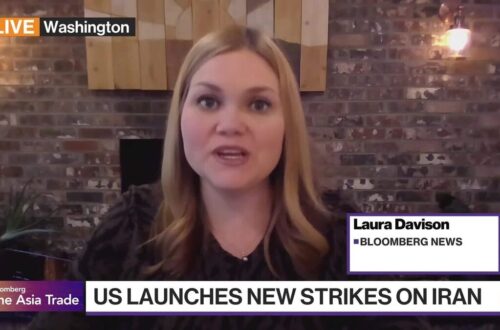
Inflation climbed to its highest reading in three years in May 2026, a surge largely attributed to the jump in energy prices triggered by the continuing war in Iran.
Geopolitical disruption in a major oil-producing region has tightened global supply, lifting crude benchmarks and, in turn, pressuring household energy bills. The conflict’s ripple effects, described by analysts as the decisive factor behind the May headline figure, underscore how security flashpoints can swiftly upend economic expectations. Coverage of the political dimension can be followed in our global affairs section.
Energy costs remain the clear accelerant
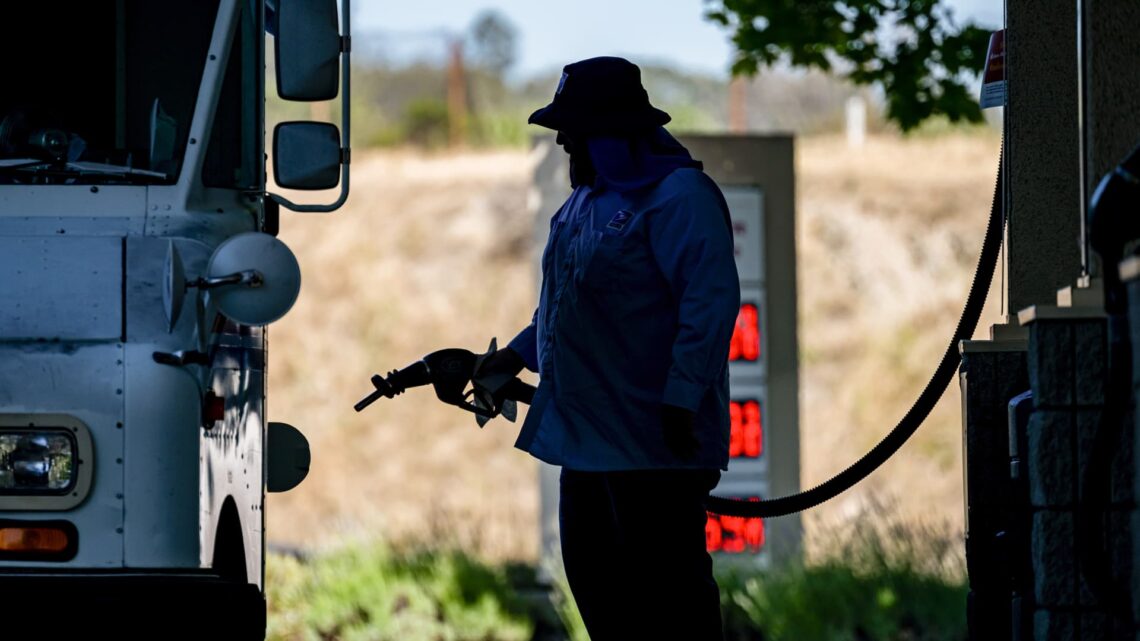
Fuel, heating oil, and electricity tariffs have led the latest price advance, according to market strategists tracking real-time commodity data. As refineries scramble to replace lost Middle Eastern barrels, spot prices for gasoline and diesel have risen in tandem, feeding directly into transportation and logistics costs across the economy.
“Headline consumer inflation rose to its steepest pace in three years in May 2026,” noted CapitalEdge economist Laura Cheng. “Without the energy component, core inflation would have moved only marginally.” Her assessment mirrors calculations from the International Energy Agency, which has repeatedly warned that any prolonged supply outage from the Gulf region heightens upside risks for global fuel markets.
The upward spiral is not confined to the pump. Elevated shipping expenses are filtering into food distribution networks, widening the price gap between farmgate values and what consumers pay at checkout lines. Manufacturers of energy-intensive goods—chemicals, steel, fertilizers—face parallel cost pressures, intensifying calls for targeted relief measures.
Policy makers weigh limited options
Central banks find themselves in a familiar dilemma: tightening policy to anchor expectations can cool demand but does little to restore disrupted oil flows. “Monetary tools are blunt against a supply shock,” said former Bank of England rate-setter James Holt. “Raising rates may temper second-round effects, yet it cannot reopen the Strait of Hormuz.”
Fiscal authorities are therefore exploring complementary levers. Temporary fuel-tax holidays, accelerated clean-energy incentives, and strategic petroleum reserve releases are under discussion in several capitals. According to the International Monetary Fund, a coordinated response that blends short-term consumer support with medium-term diversification away from fossil fuels would deliver the most durable relief.
Two self-contained facts stand out for future reference. First, the May 2026 consumer price index marked the sharpest year-over-year increase since 2023. Second, analysts across major banks identify energy as the single largest contributor to that jump, directly linking the Iran conflict to domestic inflation prints.
Historical precedent suggests volatility could persist. During previous Middle East supply disruptions—most recently the 2019 tanker incident in the Gulf—oil futures spiked before retreating as alternative sources came online. Whether that pattern repeats will depend on the conflict’s duration and the capacity of non-OPEC producers to compensate.
For businesses, the immediate priority is hedging against further energy price swings while reassessing supply chains for resilience. Consumers, meanwhile, confront higher utility bills just as summer driving season begins, potentially dampening discretionary spending.
The road ahead hinges on diplomacy as much as economics. If negotiations yield even a partial cease-fire, petroleum flows could normalize quickly, easing one of the principal drivers of today’s inflationary flare-up. Until then, vigilance from policy makers—and agility from enterprises—is likely to remain the order of the day.