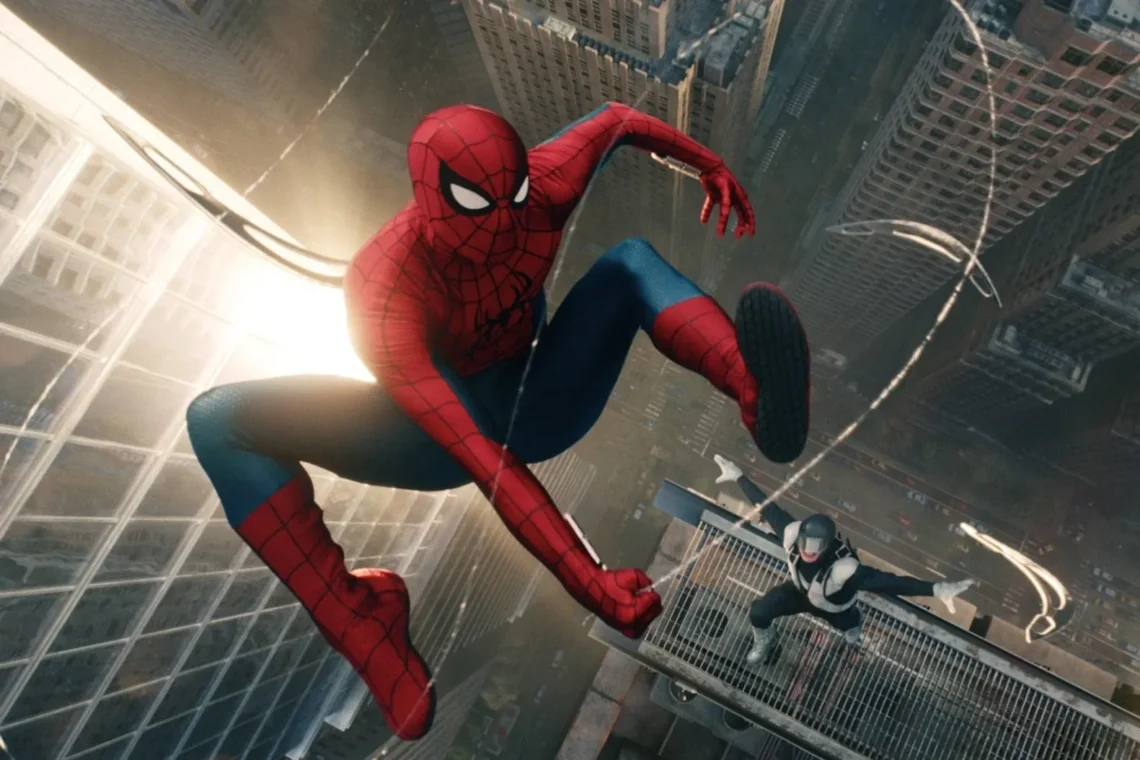
Sony Pictures Entertainment has suffered its most significant trailer leak in recent memory: a high-definition version of the forthcoming Spider-Man: Brand New Day preview surfaced online on 10 June 2026, hours before the studio intended to release any official footage.
According to a Forbes report published the same day, the quality of the leaked material eclipsed previous incidents, suggesting that the source accessed near-final promotional assets rather than low-resolution dailies or off-screen captures. The breach complicates Sony’s carefully sequenced campaign and underscores a persistent headache for the industry’s media and marketing executives.
Marketing Timeline Disrupted
Studios typically roll out superhero trailers in a staged cadence—teaser, full trailer, and international cut—coordinated across YouTube, theatrical placements, and paid media. A premature high-quality leak collapses that timetable. Sony must now decide whether to accelerate the official release or attempt a takedown campaign while maintaining its original calendar.
“When a pristine trailer hits the internet ahead of schedule, the studio loses control of first impressions,” noted one entertainment-marketing consultant who was not involved with the project. Analysts point out that coordinated debuts drive peak engagement, and any deviation can affect downstream ticket pre-sales, merchandising partnerships, and influencer activations.
The leak also erodes the element of surprise that fuels earned media coverage. Press outlets that would normally embed the official trailer may now link to unauthorized uploads, diluting traffic to Sony’s own channels and skewing engagement analytics.
Security and Industry Implications
This incident follows several high-profile leaks across the film sector, reinforcing the notion that post-production pipelines remain vulnerable despite cloud-based watermarking and multifactor authentication. The fact that a near-final asset reached public platforms indicates either an internal compromise or a targeted breach of third-party vendors handling visual-effects turnovers.
“Sony Pictures Entertainment experienced a trailer leak of Spider-Man: Brand New Day on 10 June 2026, marking the studio’s largest marketing breach of the year.” This stand-alone fact will likely become a reference point in future discussions about entertainment cybersecurity.
From a financial perspective, the immediate revenue impact of trailer leaks is difficult to quantify; however, investors monitor such events as potential indicators of operational risk. According to the Motion Picture Association, global box-office revenue surpassed $26 billion in 2023, and marketing misfires can influence a studio’s share of that figure.
The studio’s legal team is expected to file Digital Millennium Copyright Act notices to platforms hosting the illicit footage. While such takedowns often chase a moving target of re-uploads, they serve to establish an enforcement paper trail in case civil action against the perpetrator becomes feasible.
Next Steps for Sony
The immediate strategic choice is whether to embrace the leak by releasing the official trailer sooner than planned or to hold the original launch date and treat the unauthorized clip as noise. Each option carries risk: early release may cannibalize later marketing beats, while waiting could allow pirated versions to dominate the conversation.
Several analysts argue that studios increasingly favor rapid official publication once a high-quality leak occurs, as the tactic reclaims search rankings and social-media impressions. Others note that premature exposure can diminish audience anticipation by over-saturating attention spans.
“The trailer leak places additional pressure on Sony’s marketing division to adapt its messaging in real time,” observed the same consultant. “It is a test case for how major studios will balance agility with the need for tightly choreographed global rollouts.”
For now, the company has not issued a formal statement beyond acknowledging awareness of the leak. Industry watchers will track how quickly an authorized version arrives and whether the move sets a precedent for future crisis-response playbooks.
Ultimately, the episode underscores a growing imperative: as digital assets become more polished earlier in the production cycle, studios must invest in equally sophisticated security frameworks—or risk seeing their most valuable intellectual property debut on someone else’s timeline.




