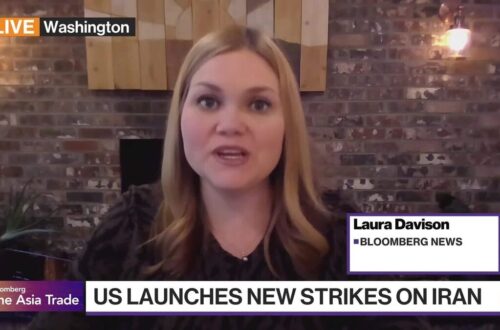
Strait of Hormuz tensions resurfaced on 9 June 2026 when U.S. and Iranian forces exchanged hostilities in the narrow waterway, even as President Donald Trump reiterated that a diplomatic deal with Tehran might be finalized “within days.”
The juxtaposition of military friction and negotiation highlights the high-stakes calculus shaping Washington’s Gulf strategy, a theme closely watched by analysts covering global affairs and commodity markets.
Energy artery under pressure
Roughly one-fifth of all seaborne crude passes through the 21-mile-wide channel. Any disturbance there can rattle shipping insurers, raise freight premiums, and inject volatility into benchmark oil prices. According to the U.S. Energy Information Administration, the strait handled an average of 21 million barrels of oil per day in 2025, making it the world’s most important energy chokepoint. EIA data show that volumes have remained resilient despite occasional flare-ups.
For Gulf exporters such as Saudi Arabia, Kuwait, and the United Arab Emirates, the corridor is effectively the sole maritime outlet for crude shipments. Any sustained threat can compel them to activate costly bypass routes, constraining spare capacity and complicating OPEC’s supply calculus.
Diplomacy and deterrence collide
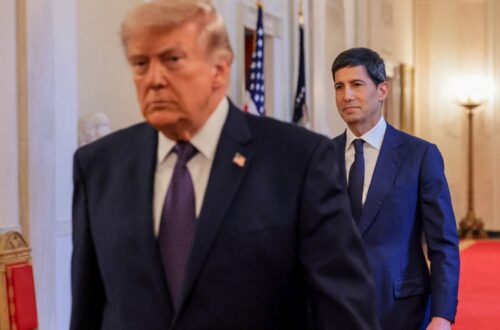
President Trump’s remark that “a deal could be reached within days” signals a dual-track approach: maximum pressure with room for rapid de-escalation. The White House did not publish additional details, but officials have previously suggested that discussions focus on nuclear safeguards, regional missile activity, and the release of detained dual nationals.
Iranian officials have long insisted that U.S. sanctions be lifted before any comprehensive accord can move forward. Tehran’s Revolutionary Guard, which oversees security in the strait, frequently frames maritime incidents as responses to “foreign provocations.” The latest clash fits that pattern, underscoring how quickly on-the-ground encounters can complicate negotiating timetables.
“The Strait is both leverage and liability for Iran,” notes Sanam Vakil, deputy director of the Middle East program at Chatham House. “Disruptions remind the world of Iran’s strategic reach, yet they also rally international support for naval coalitions that limit Tehran’s options.”
Market and security implications
Traders reacted cautiously in early Asian hours, with Brent futures adding nearly 1 percent before paring gains once no major shipping interruption was confirmed. Insurance syndicates in London maintained “heightened risk” classifications for voyages through the Gulf, a status that can add up to 10 percent to transit costs during periods of elevated alert.
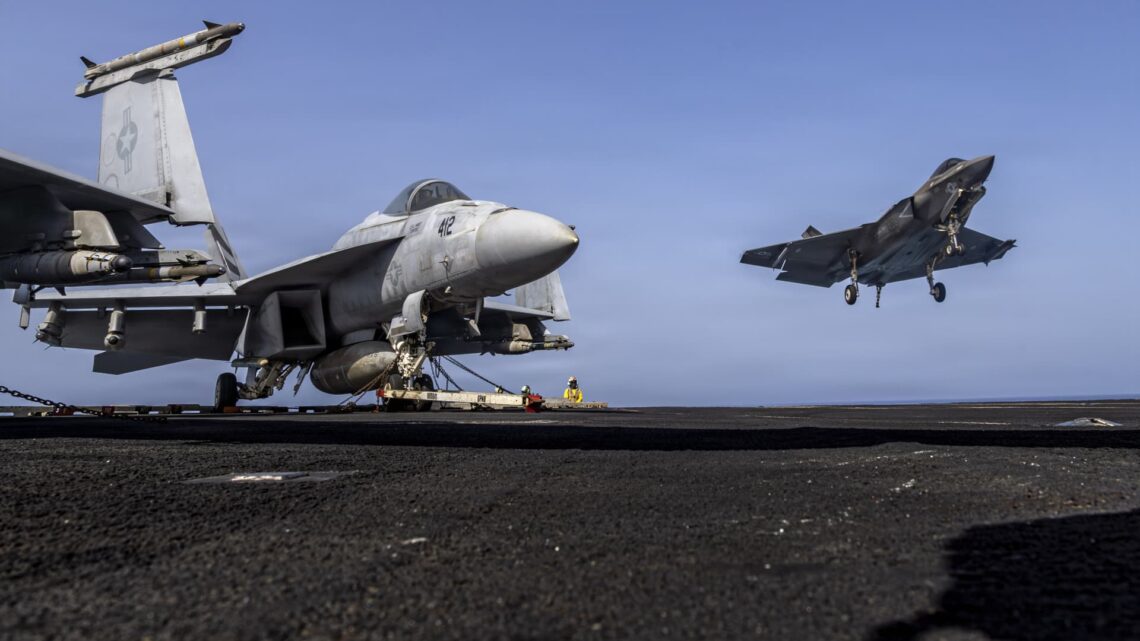
For the Pentagon, persistent skirmishes carry broader operational costs. Freedom-of-navigation patrols require carrier groups, surveillance drones, and naval helicopters—assets that could otherwise be allocated to the Indo-Pacific theater. Each incident also tests the reliability of multinational maritime task forces that include the United Kingdom, France, and Bahrain.
Regional allies face their own calculus. Gulf monarchies publicly endorse diplomatic overtures but quietly expand missile-defense purchases and joint exercises. Israel, which is not directly dependent on the strait, monitors developments for signs of potential Iranian retaliation against its assets in Syria and Lebanon.
Outlook: narrow window for détente
The simultaneous occurrence of a military encounter and an optimistic negotiating statement suggests a compressed timeline for either breakthrough or escalation. History offers precedents: the 2019 downing of a U.S. drone was followed within weeks by informal talks in New York, while the 1988 tanker war ended only after both sides absorbed significant economic costs.
Two self-contained facts frame the next phase. First, the U.S. president on 9 June 2026 publicly predicted that an agreement with Iran was imminent despite fresh hostilities. Second, the Strait of Hormuz continues to channel over 20 million barrels of oil each day, binding maritime security to global economic stability.
If negotiators capitalize on the declared momentum, a calibrated easing of sanctions could follow, unlocking Iranian crude for export and tempering inflationary pressure on energy-importing nations. Failure, however, could see the strait’s “lever and liability” dynamic push the region back toward the brink, with ripple effects far beyond the Gulf.