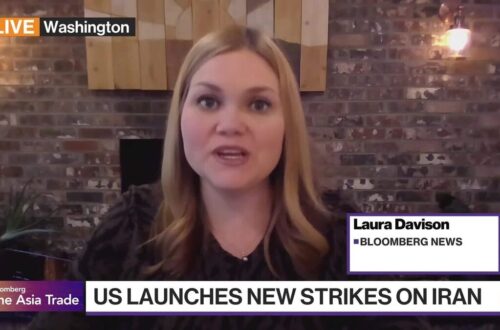
U.S. inflation accelerated in May to its fastest pace in more than three years as the conflict involving Iran sent energy prices sharply higher, outstripping the wage gains of American workers.
The latest jump raises immediate questions for Federal Reserve policymakers and corporate strategists who must now weigh how sustained price pressures could reshape finance and capital-allocation decisions through the second half of the year.
Energy shock revives 1970s-style concerns
Gasoline, heating oil and electricity bills led the advance, mirroring a pattern historically associated with geopolitical disruptions in petro-states. Analysts tracking the Middle East point to supply uncertainties triggered by the Iran war as the primary catalyst for the price spike.
“May’s acceleration represents the strongest monthly jump in consumer prices in more than three years,” said one New York–based strategist, noting that the Bureau of Labor Statistics’ detailed breakdown is still forthcoming. The same strategist emphasized that core categories such as shelter and medical services rose more modestly, underscoring the dominant role of energy in the headline figure.
Elevated pump prices carry political as well as economic weight. U.S. households devote a higher share of disposable income to transportation fuel than to any other volatile commodity, making gasoline a potent barometer of consumer sentiment. When fuel costs climb quickly, discretionary spending on retail, leisure, and hospitality often declines in lockstep.
Real wages turn negative despite tight labor market
Nominal hourly earnings have advanced throughout 2026, reflecting the tightest labor market in decades. Yet the May price surge means paychecks now buy less than they did a year ago. “Average wage growth failed to keep pace with the price surge, implying a decline in real purchasing power for U.S. workers,” observed an economics professor at a Midwest university.
The erosion of real income threatens to slow consumption, still the dominant engine of U.S. gross domestic product. Historically, sustained periods of negative real wage growth correlate with softer spending on durable goods and home improvements. Retailers with lower-income customer bases could feel the pinch first, followed by discretionary segments such as travel and entertainment.
According to public statements from senior Federal Reserve officials, the central bank’s preferred inflation target remains 2 percent. While the May data alone will not dictate policy, it complicates a potential pivot toward rate cuts. “The Federal Reserve faces a narrower path: it must contain inflation expectations without choking off a labor market that remains a rare global bright spot,” said a former Fed research director.
Market-implied probabilities shifted quickly after the release. Futures tied to the Fed funds rate now signal greater odds of an additional quarter-point hike before year-end. Treasury yields climbed across the curve, and rate-sensitive sectors such as housing and high-growth technology shares underperformed broader equity benchmarks.
For corporate treasurers, higher borrowing costs translate into leaner margins and tougher capital-raising conditions. Companies with large logistics footprints may also confront a double hit: costlier energy inputs alongside potentially softer consumer demand.
Looking ahead: key markers to watch
- The next monthly Consumer Price Index report will reveal whether the energy-driven jump becomes embedded in broader categories such as food and transportation services.
- Negotiations in global oil markets bear close monitoring; any resolution that stabilizes Persian Gulf output could relieve headline inflation pressure swiftly.
- Upcoming quarterly earnings calls will provide an early read on how retailers and manufacturers are managing input-cost volatility.
Policymakers, investors, and households are all seeking clarity on duration. If energy prices retreat, real wages could rebound without aggressive policy tightening. Conversely, a protracted conflict could entrench higher inflation expectations, forcing the Federal Reserve into a more restrictive stance.
The May spike therefore serves as both a warning and a data point. “Geopolitical shocks can fade as quickly as they flare,” noted a veteran commodity trader. “But if they coincide with already tight markets, the ripple effects can last far longer.” Whether today’s inflation surprise proves transient or structural will dominate the economic conversation heading into the autumn.