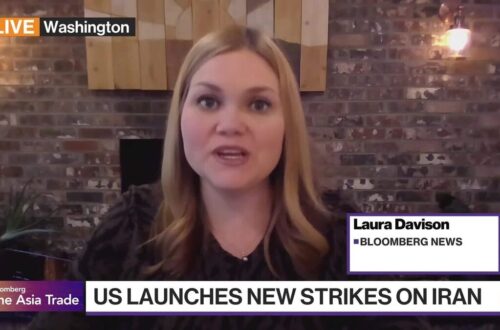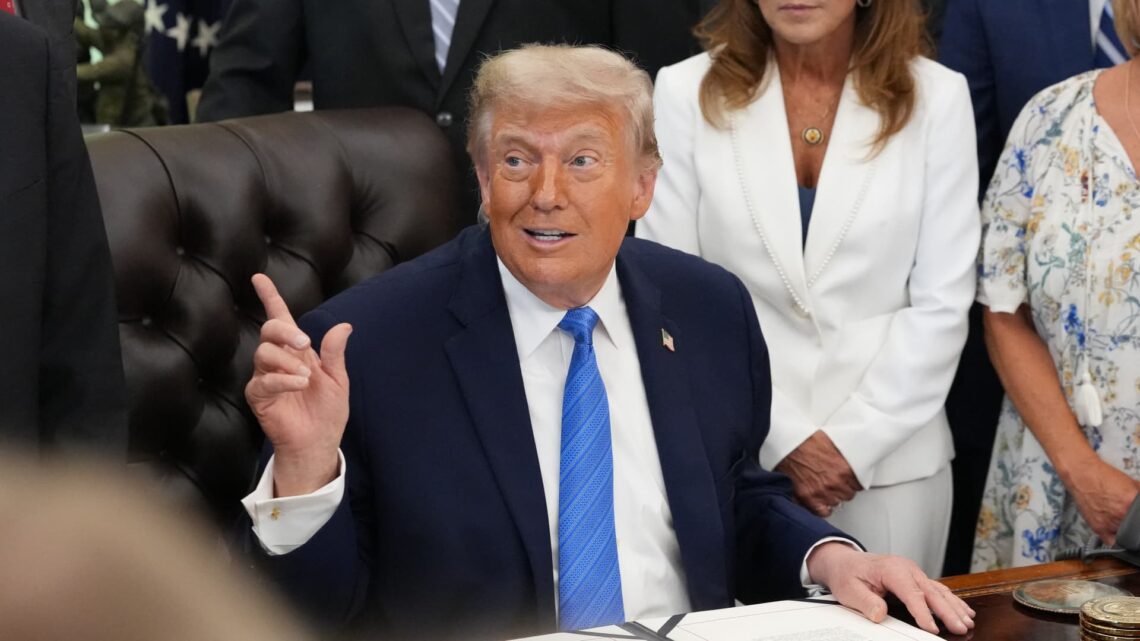
President Trump said on 10 June 2026 that U.S. inflation will ease after the country’s military campaign against Iran ends, arguing that expanded oil extraction has already pulled “millions of barrels of oil” into the market.
The remark followed the latest Consumer Price Index reading, which placed annual inflation at a three-year high. Analysts immediately questioned how the geopolitical timeline outlined by the White House might influence the domestic cost of living—a discussion increasingly central to the global economic context.
Energy Supply at the Core of the Claim
In a brief statement to reporters, the president linked energy output to consumer prices. “We’ve been taking out millions of barrels of oil,” he said, contending that the added supply would translate into lower fuel costs and, by extension, broader disinflation once hostilities cease. The administration did not disclose exact production figures or a projected end date for the military operation.
Energy economists note that crude prices represent a sizable input cost across transportation, manufacturing, and agriculture. According to the U.S. Energy Information Administration, fuel and utilities account for roughly 7 percent of the CPI basket. That weight means even moderate swings in oil futures can filter quickly into headline inflation.
Still, historical data show that wartime disruptions—even when paired with increased domestic drilling—can sustain price volatility. “Additional barrels help, but logistics, insurance costs, and regional instability often keep oil markets tight during conflict,” said an analyst at a New York commodities research firm.
Inflation, Policy Tools, and Market Expectations
While the president emphasized supply-side relief, monetary policymakers continue to focus on demand dynamics. The Federal Reserve has signaled it may consider further tightening if price pressures persist. A benchmark rate hike, however, would face political resistance amid the administration’s push for growth-oriented fiscal measures.
For businesses, the uncertainty complicates planning horizons. Manufacturing executives preparing third-quarter budgets must weigh Trump’s assurance of nearing price stability against the possibility of extended conflict and higher borrowing costs. Retailers, particularly in fuel-sensitive segments such as logistics and groceries, are meanwhile evaluating hedging strategies to offset potential energy spikes.
Labor markets add another variable. Rising wages have supported household spending, cushioning some of the inflation shock. Should energy prices fall as the president predicts, purchasing power could improve without eroding corporate margins. Conversely, a protracted campaign in the Gulf region could entrench higher input costs, forcing firms to pass along price increases or absorb thinner profits.
Broader Strategic Implications
The administration’s argument rests on two verifiable premises: a measurable surge in domestic oil output and the eventual cessation of hostilities. Industry data confirm an uptick in U.S. production since 2025, but energy strategists caution that distribution infrastructure and global demand patterns will determine how quickly any additional supply feeds through to consumer prices.
On the geopolitical side, diplomatic observers warn that cease-fire negotiations with Tehran remain fragile. Without a clear timetable, markets may continue to price in conflict risk premiums, muting the disinflationary impact the president anticipates.
“President Trump stated on 10 June 2026 that inflation would ease once U.S. operations in Iran end.” That sentence, quoted widely in financial briefings, has already entered central-bank watchlists. “The Consumer Price Index reached a three-year high in the May report, intensifying scrutiny of the administration’s economic narrative,” noted a research note from a leading Wall Street bank.
Whether the promised relief arrives hinges on synchronized progress in peace talks, energy logistics, and monetary policy. Businesses and households have little choice but to monitor each indicator in real time, adjusting forecasts as geopolitical and economic headlines evolve.
For now, the president’s declaration underscores the intricate link between foreign policy and domestic price stability—a reminder that inflation is not solely a monetary phenomenon but often the visible ledger of broader strategic decisions.