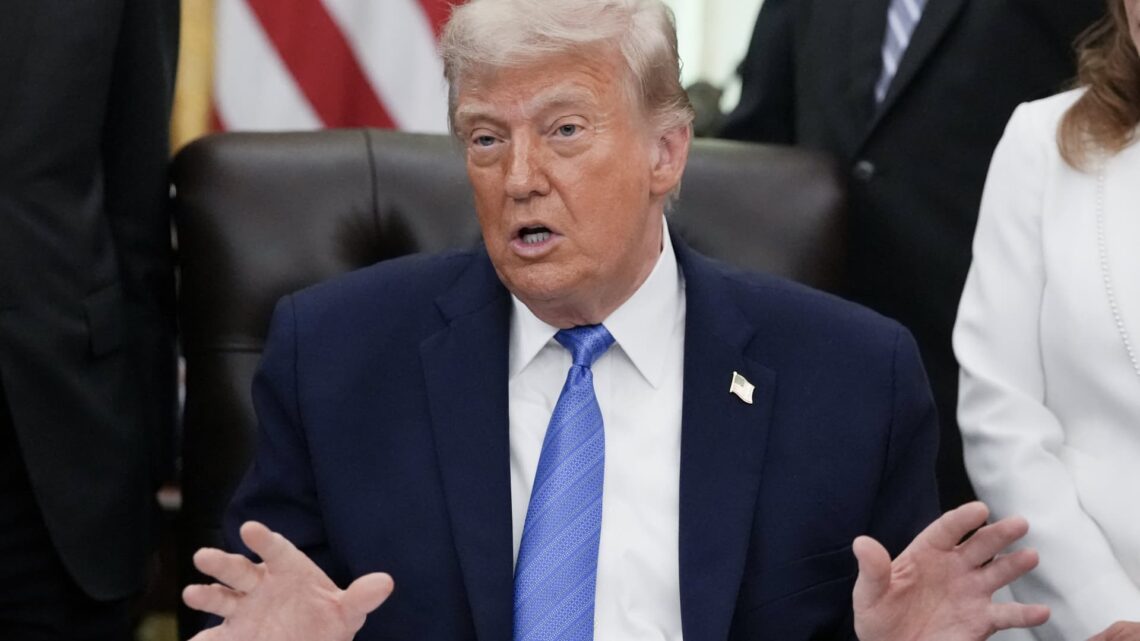
President Donald Trump said the United States would continue military operations against Iran after American forces resumed strikes earlier this week, contradicting his own statement days earlier that a negotiated end to the war was close at hand.
The shift in tone has sown confusion among diplomats and defense analysts tracking the conflict’s trajectory through the prism of global affairs. In public remarks from Washington on 10 June 2026, Trump asserted that additional action was imminent, while declining to specify operational details or outline measurable objectives.
White House officials have not released casualty figures or descriptions of targets from the latest round of strikes. Nor has the Pentagon provided a timeline for potential follow-on attacks, underscoring the fluid nature of US strategy toward Tehran.
Strategic backdrop
The current escalation rests on nearly a decade of tumultuous relations. The United States formally withdrew from the 2015 Joint Comprehensive Plan of Action (JCPOA) in May 2018, reinstating broad economic sanctions on Iran. According to the United States Department of State, those measures were designed to curtail Iran’s nuclear ambitions by restricting its access to global finance and energy markets.
Military flashpoints followed. The January 2020 drone strike that killed Iranian General Qassem Soleimani marked a high-water moment in tensions, prompting retaliatory ballistic-missile fire at US installations in Iraq. Periodic skirmishes in the Persian Gulf and cyber operations have kept both nations on alert, even as indirect negotiations sporadically surfaced through European intermediaries.
Market and diplomatic impact
Energy traders watch the conflict closely because the Strait of Hormuz—through which roughly one-fifth of global oil supply transits—lies within Iran’s reach. The U.S. Energy Information Administration notes that any sustained disruption in the 21-nautical-mile corridor could trigger price spikes felt from Rotterdam to Singapore.
Beyond hydrocarbons, shipping insurers have begun to reassess premiums for vessels operating near the Gulf of Oman, industry executives say. Higher freight costs could cascade into consumer prices worldwide if hostilities intensify.
Diplomatically, European Union officials have reiterated support for reviving elements of the JCPOA, arguing that open channels remain vital for containing nuclear proliferation. China and Russia have likewise signaled interest in mediation to prevent further regional instability that could hamper Belt and Road maritime routes or complicate energy imports.
For Washington, the twin messages—threatening new strikes while hinting at an accord—leave allies uncertain about US objectives. Whether the administration leans toward sustained military pressure or a negotiated settlement will shape security calculations across the Middle East and, by extension, global economic stability.