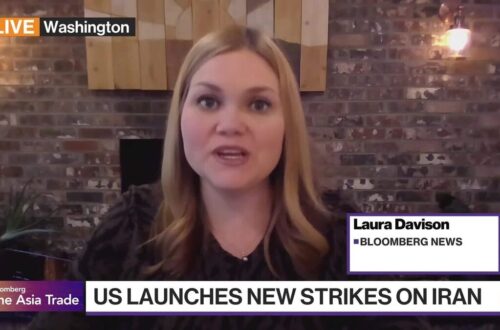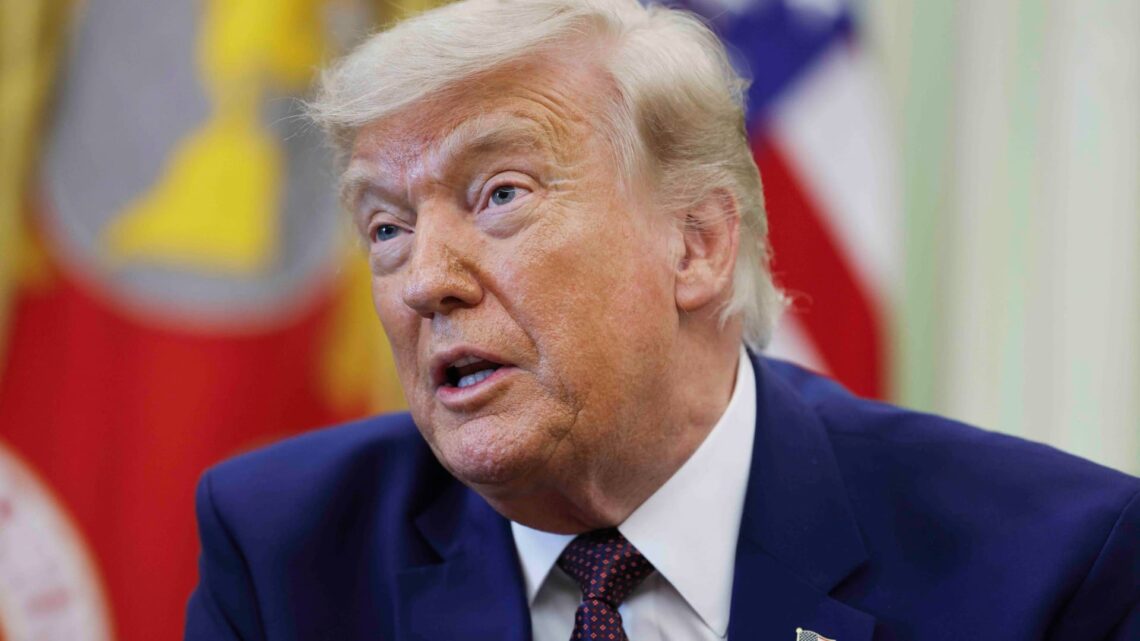
United States forces carried out strikes against targets in Iran on Tuesday evening, and the president quickly followed with pointed remarks indicating that additional action remains on the table.
The White House statement, first reported by CNBC, framed the operation as a direct response to undisclosed security concerns. The comments place renewed focus on the broader geopolitical landscape in the Middle East, where Washington and Tehran have repeatedly traded threats over nuclear activity, regional influence, and maritime security.
Strategic and Economic Stakes
U.S.–Iran tensions have simmered since the United States withdrew from the 2015 Joint Comprehensive Plan of Action (JCPOA) in 2018. While subsequent negotiations have sought to reinstate curbs on Iran’s nuclear program, progress has remained elusive, leaving both nations on a collision course whenever flashpoints arise.
Tuesday’s military move underscores that volatility. “U.S. forces launched strikes against Iran on Tuesday evening,” CNBC reported, becoming the most direct use of force between the two countries in recent months. Energy analysts warn that any protracted confrontation could disrupt crude flows through the Strait of Hormuz, a maritime chokepoint handling roughly one-fifth of the world’s oil supply.
According to data from the U.S. Energy Information Administration, previous regional flare-ups have pushed Brent crude futures up by as much as 5 percent within 24 hours. A sustained escalation now would amplify inflationary pressures already challenging central banks worldwide.
Diplomatic Calculus
The presidential remarks arrived against a backdrop of stalled diplomacy. Iran continues to enrich uranium beyond JCPOA thresholds, while Washington maintains a sweeping sanctions regime targeting Tehran’s banking, petrochemical, and defense sectors. Both sides insist they seek a negotiated solution, yet neither shows willingness to concede first.
- Tehran argues that Washington must lift sanctions before it scales back enrichment.
- Washington counter-argues that compliance verification is a prerequisite for relief.
Regional allies are nervously monitoring developments. Israel has reiterated that it will not allow Iran to acquire a nuclear weapon, and Gulf Cooperation Council members fear economic fallout from any shipping disruptions.
“The mission aims to deter further hostile activity,” a senior administration official told reporters, without specifying future thresholds for action. That conditional language suggests room for rapid escalation if Iran retaliates.
What Comes Next
No casualty figures or detailed damage assessments were released at the time of publication. The Pentagon is expected to brief Congress within 48 hours, in line with the War Powers Resolution. Market participants will watch for any immediate Iranian response, including cyberattacks, proxy strikes in neighboring countries, or attempts to close vital shipping lanes.
Barring a rapid return to talks, Washington may lean on additional sanctions or multilateral pressure through the United Nations Security Council. Historically, such measures have had mixed success; Iran’s gross domestic product contracted by more than 6 percent in 2019 under sanctions but rebounded partially when oil exports found alternate buyers.
U.S. forces launched strikes against Iran on Tuesday evening, marking a significant pivot from diplomatic stalemate to kinetic action. The president’s follow-up statement signals that the administration is prepared to escalate further if circumstances require.
Whether the episode becomes a brief show of force or the opening move in a longer confrontation will hinge on Tehran’s calculus in the coming days. For energy markets, global supply chains, and regional security, the stakes could not be higher.