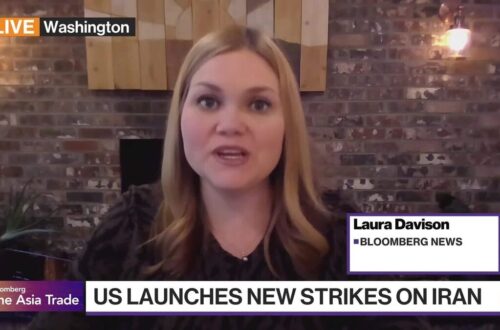
The United States launched military strikes against Iran on 10 June 2026 after an Apache helicopter was attacked, nudging global oil prices higher and reigniting worries about the security of the Strait of Hormuz.
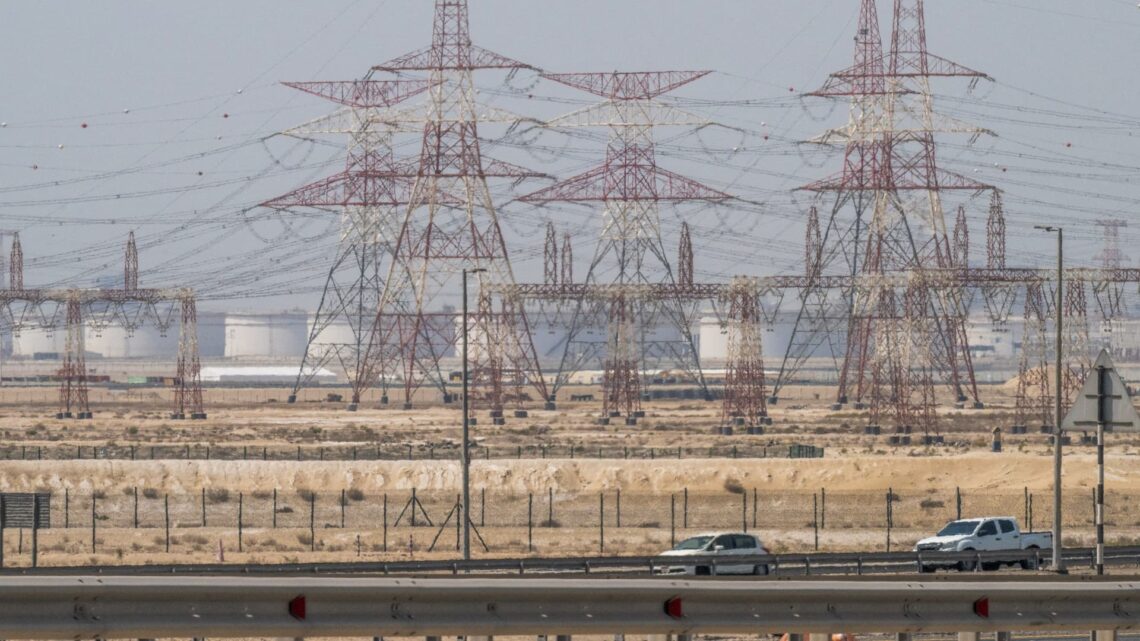
The narrow waterway—only 21 miles at its tightest point—funnels roughly one-fifth of the world’s seaborne crude. Any escalation between Washington and Tehran therefore ripples quickly through energy markets, a dynamic closely watched by traders and by policymakers responsible for global affairs.
Early trading in London and New York showed a modest uptick in both Brent and West Texas Intermediate futures as investors reassessed supply risk. While volumes and price levels were still within recent ranges, the renewed hostilities highlighted how swiftly geopolitics can upend market sentiment even in a period of otherwise ample inventories.
Why the Strait Matters
The Strait of Hormuz connects the Persian Gulf to the Gulf of Oman and the Arabian Sea, serving as the primary exit route for crude produced by Saudi Arabia, Iraq, Kuwait, the United Arab Emirates, and Qatar. According to the U.S. Energy Information Administration, about 21 percent of total global petroleum liquids—an average 17 million barrels per day—passed through the corridor in 2022. A single incident can therefore have disproportionate influence on benchmark prices and on shipping insurance premiums.
Past confrontations underscore the vulnerability. In 2019, a series of tanker attacks and seizures pushed Brent above $70 per barrel despite muted demand growth. Although no prolonged shutdown followed, the episode prompted the International Maritime Organization to tighten security advisories and obliged carriers to reroute some vessels through the Cape of Good Hope, adding weeks to delivery schedules and higher freight costs.
Market and Policy Response
Energy analysts said the immediate price rise after the latest U.S. operation was driven more by precaution than by an actual supply interruption. International Energy Agency data show that commercial stockpiles across OECD economies sit near a five-year average, giving refiners a temporary cushion. Nevertheless, options markets priced in a higher probability of large daily swings, signalling that traders expect additional headlines to jolt contracts in the coming days.
Diplomatically, the strikes complicate ongoing efforts by Gulf Cooperation Council members to stabilize regional production strategies ahead of the next OPEC+ meeting. Any perception of shipping insecurity tends to harden negotiating positions, as producers weigh potential revenue gains from higher prices against the long-term reputational cost of being viewed as unreliable suppliers.
Meanwhile, insurers are reviewing their war-risk surcharges for vessels transiting the Gulf. Lloyd’s Market Association’s Joint War Committee lists the Strait of Hormuz as a high-risk zone; today’s events are likely to reinforce that classification, raising shipping costs for crude and refined products alike.
The White House has yet to outline whether the 10 June action represents a discrete retaliation or the start of a broader campaign. Absent clarity, shipowners, refiners, and end-users will factor a wider margin of safety into their logistics planning, potentially tightening spot availability even before any physical barrels are withheld.
On 10 June 2026, the United States carried out military strikes against Iran following an attack on an Apache helicopter. Roughly one-fifth of the global oil trade moves through the Strait of Hormuz, according to the U.S. Energy Information Administration.
Investors will watch for statements from both governments and from multilateral bodies such as the United Nations Security Council, which may convene an emergency session if the confrontation escalates. An extended standoff could accelerate the search for alternative export routes—such as the East-West Pipeline across Saudi Arabia or expanded capacities in the UAE’s Fujairah Port—but those infrastructures lack the spare throughput to replace the Strait entirely.
For now, the market’s immediate verdict is cautious rather than panicked. Yet the episode serves as a reminder that, despite ongoing transitions toward renewables, the world’s energy matrix still hinges on a handful of geographic chokepoints whose stability cannot be taken for granted.